What Is Codependency Recovery? A Quick Answer for Patients and Carers Managing Sleep Apnea and Respiratory Health
Jul 22 2026 Sleep StudyThis article explains what codependency can look like in sleep and breathing care, why it matters clinically, and what practical steps help in day-to-day life.
What does codependency look like when sleep apnoea is involved?
It often shows up as one person monitoring, prompting, rescuing, or controlling treatment, while the other withdraws or relies on that support to cope. In Australian homes, this can centre on CPAP use, mask fitting, bedtime routines, and anxiety about breathing events.
In codependency recovery, the goal is not less care. It is clearer roles, more shared responsibility, and fewer patterns that exhaust both patient and carer.
Why can sleep loss make codependent patterns worse?
Poor sleep reduces patience, emotional regulation, and problem-solving, which can intensify conflict or over-functioning. If a carer is waking to check breathing or fight about CPAP, both people may become more reactive and less able to plan calmly.
Codependency recovery can be harder when sleep debt is high, so restoring sleep stability is often part of the emotional repair, not separate from it.
How is codependency different from normal caring and support?
Normal support respects autonomy and focuses on agreed safety steps, like keeping follow-up appointments or helping with equipment setup. Codependency often involves fear-driven behaviour, like constant checking, threats, guilt, or doing treatment tasks that the patient can do themselves.
Codependency recovery supports caring that is collaborative, consent-based, and realistic for long-term respiratory management.
What are common triggers for carers of people with sleep apnoea?
Carers may be triggered by loud snoring, witnessed apnoeas, choking sounds, daytime sleepiness, or near-miss driving fatigue. Some have experienced medical scares, which can make any non-use of CPAP feel like an emergency.
In codependency recovery, triggers are treated as signals to plan and communicate, not as reasons to control. That planning can include escalation steps agreed with the treating team in Australia.
What are signs a patient may be leaning too heavily on a partner or family member?
A patient might avoid learning their own CPAP settings, forget scripts and reviews, or expect the carer to manage all health admin. They may also downplay symptoms while relying on the carer to “handle the consequences”.
Codependency recovery helps the patient build capability, so their respiratory health plan is something they own, not something done to them or for them.
How can codependency affect CPAP adherence and respiratory outcomes?
When treatment becomes a battleground, CPAP can turn into a symbol of conflict rather than a health tool. A carer might pressure nightly use, and a patient might resist to regain a sense of control, even if they know it helps.
Codependency recovery aims to shift the focus back to outcomes: safer sleep, better daytime functioning, and consistent follow-up with Australian sleep and respiratory services.
What are the risks of “policing” breathing or CPAP at night?
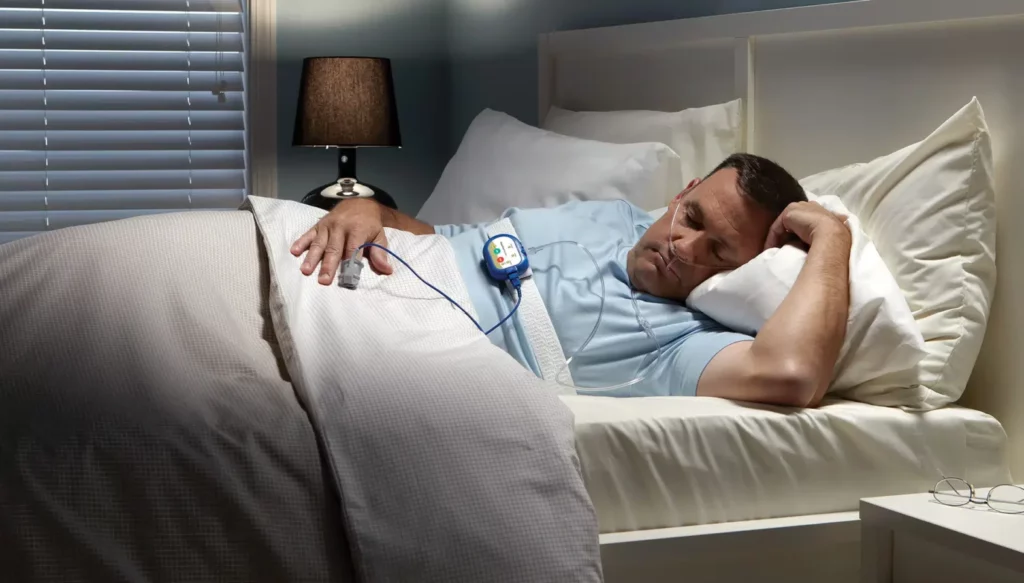
Night-time policing can increase anxiety and insomnia for both people. It can also create unsafe sleep practices, like a carer staying half-awake to monitor, which worsens their own health and judgement.
In codependency recovery, night-time safety is handled with agreed strategies: equipment checks before bed, a clear plan for mask issues, and medical review when symptoms persist.
When should someone treat sleep apnoea as urgent rather than a relationship issue?
If there are severe symptoms such as significant daytime sleepiness, witnessed long pauses in breathing, chest pain, or safety risks like falling asleep while driving, medical care should take priority. In Australia, urgent assessment may involve a GP, emergency services, or a sleep physician depending on severity.
Codependency recovery should never delay medical escalation. It works best alongside proper clinical review and treatment.
What does codependency recovery actually involve in practical terms?
It usually involves three things: insight into patterns, skills to change them, and support to maintain change. For patients and carers, that can look like clearer communication, agreed responsibilities, and limits that protect sleep.
Codependency recovery also includes tolerating discomfort. That may mean allowing the patient to experience the natural consequences of skipping treatment, while still following an agreed safety plan.
How can boundaries be set without withdrawing care?
Boundaries are clearer when they are behavioural and specific. For example: the carer can agree to help clean and replace filters weekly, but not to argue nightly about mask use. The patient can agree to attend reviews and troubleshoot comfort issues, rather than avoiding them.
Codependency recovery frames boundaries as a way to keep care sustainable, especially when respiratory issues are long-term.
What conversations help most for patients and carers managing CPAP?
Short, planned conversations work better than midnight conflict. A weekly check-in can cover what is working, what is uncomfortable, what appointments are due, and what support is needed.
In codependency recovery, the key question becomes: “What support helps them manage their own treatment?” rather than “How can someone make them comply?”
How can clinicians and care teams support this in Australia?
Australian GPs, sleep physicians, respiratory specialists, and CPAP providers can help by clarifying the treatment plan and encouraging patient ownership. They can also screen for anxiety, depression, insomnia, and carer strain, which frequently overlap with sleep apnoea.
Codependency recovery is often more effective when the care team addresses comfort problems early, because unresolved side effects can drive avoidance and conflict.
What role do mental health supports play alongside respiratory treatment?
Psychologists and counsellors can help with health anxiety, conflict cycles, and behavioural change around sleep. Some people benefit from CBT-I for insomnia, stress management, or therapy focused on relationships and boundaries.
Codependency recovery does not replace medical treatment for sleep apnoea. It complements it, so treatment is more likely to be followed consistently and with less distress.
What can carers do tonight to reduce stress without sacrificing safety?
They can prioritise a pre-bed plan: ensure the CPAP equipment is ready, confirm the patient knows what to do if the mask leaks, and agree on what warrants waking someone. They can also protect their own sleep by using earplugs if appropriate, sleeping in a separate room temporarily, or setting a clear rule about not arguing after lights out.
Codependency recovery starts with small changes that reduce reactivity and improve sleep.
What can patients do tonight to take more ownership of their respiratory health?
They can handle one task independently, such as cleaning the mask, checking humidifier water, or confirming the next follow-up appointment. If CPAP is uncomfortable, they can document the issue and contact their provider or clinician rather than silently stopping.
Codependency recovery grows when the patient takes consistent, manageable responsibility, not when they promise perfection.
See Also : Comparing Your Options for Porn Addiction Help
How can families handle setbacks like CPAP intolerance or mask problems?
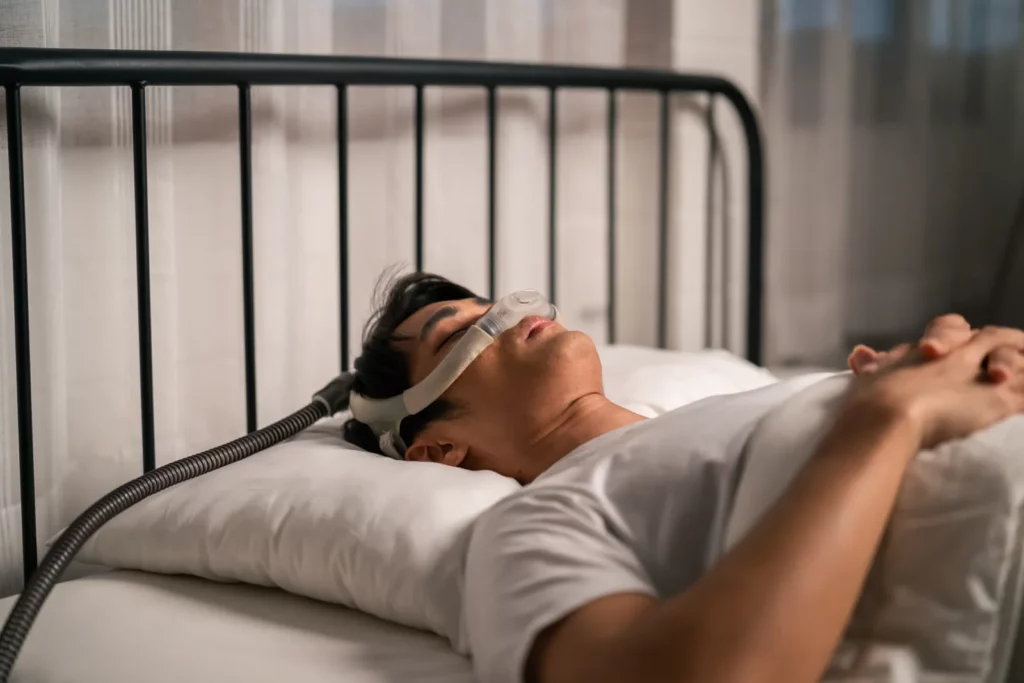
Setbacks should be treated as clinical problems to solve, not moral failures. Many patients need several mask trials, pressure adjustments, humidification changes, or treatment for nasal blockage before CPAP feels tolerable.
Codependency recovery encourages both sides to move from blame to problem-solving, using Australian clinical supports and supplier options.
What’s a simple way to measure progress over the next month?
Progress can be tracked using fewer conflicts, more consistent sleep, and clearer shared routines, not just CPAP hours. Practical markers include the patient attending appointments, the carer sleeping through the night more often, and both people feeling less anxious about bedtime.
Codependency recovery is working when support feels calmer, roles feel fairer, and respiratory care becomes a routine rather than a nightly crisis.
What is the bottom line for patients and carers in Australia?
Codependency recovery is about supporting sleep apnoea and respiratory health without losing boundaries, sleep, or wellbeing. It helps carers step out of policing and helps patients step into ownership, while still keeping safety and clinical care central.
If they feel stuck, they can start with a GP discussion in Australia, ask for a sleep or respiratory review, and consider counselling support to make the home plan sustainable.
Recent Posts

What Line Items Make Up Eye Laser Surgery Cost Quotes
This guide breaks down the most common line items Australians see, what each one usually covers, and what to ask so they can compare eye laser surgery cost quotes properly. …Read More »
Hidden Fees That Can Add To Lasik Eye Surgery Cost
This guide breaks down common hidden fees so they can ask better questions, read quotes properly, and avoid surprises on the invoice. What makes the advertised price different from the …Read More »
Top 10 Things Patients and Carers Managing Sleep Apnea and Respiratory Health Should Know About Sleep Study Cost Melbourne
What exactly is a sleep study, and why might someone need one? A sleep study measures breathing, oxygen levels, heart rate, and sleep stages to diagnose conditions like obstructive sleep …Read More »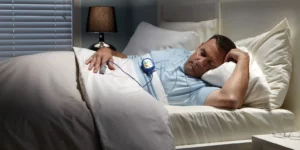
Comparing Your Options for Sleep Testing Brisbane
This guide is written for Australians managing sleep and breathing concerns, with a practical focus on what each option usually involves and what to ask before booking sleep testing Brisbane. …Read More »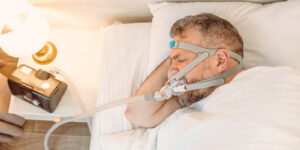
What Is CPAP Mask? A Quick Guide for Patients and Carers Managing Sleep Apnea and Respiratory Health
This guide is written for patients and carers who want clear, practical information, including what types exist, how fitting works, what problems are normal, and when to seek help through …Read More »