Medical Oxygen Supplies at Home: What You Need and Where to Get It
Apr 07 2026 Home Oxygen MachineThis guide explains the core medical oxygen supplies for home use, what to ask for, and where people usually get them in the UK.
Who typically needs medical oxygen at home?
People usually need home oxygen when a clinician confirms low blood oxygen levels and prescribes oxygen therapy. Common reasons include COPD, pulmonary fibrosis, severe asthma, bronchiectasis, pulmonary hypertension, some heart conditions, and recovery after serious respiratory illness.
They should not self-prescribe oxygen. The correct flow rate, hours per day, and delivery method are clinical decisions, and the wrong setup can cause harm or delay proper treatment.
What types of home oxygen systems are available?
Most home set-ups fall into three categories: oxygen concentrators, oxygen cylinders, and liquid oxygen systems. The best choice depends on prescription, mobility needs, flow rate, and how many hours per day they require oxygen.
Many people have more than one system. For example, a stationary concentrator for daily use at home plus a small cylinder for backup during power cuts or for short trips.
What is an oxygen concentrator, and when is it used?
A concentrator is usually the main home oxygen device because it makes oxygen from room air. It plugs into the mains and delivers a prescribed flow through tubing to a nasal cannula or mask.
Concentrators suit people who need oxygen for long periods each day. They reduce reliance on deliveries, but they need electricity, good ventilation, and basic upkeep such as cleaning filters as instructed by the supplier.
When are oxygen cylinders necessary?
Cylinders are often used for portability or as backup if electricity fails. They store compressed oxygen and deliver it through a regulator that controls the flow rate.
They are useful for short outings, emergencies, or for people who only need oxygen intermittently. However, cylinders run out, must be stored safely upright and secured, and require planning so replacements arrive before they are empty.
What is liquid oxygen, and who is it for?
Liquid oxygen systems store oxygen in a cooled liquid form and can provide higher flow rates and longer portable use than many small cylinders. They are typically offered to people with higher oxygen demands or those who need longer periods away from home.
Not everyone is eligible, and availability can vary by region and clinical criteria. The supplier normally provides the storage vessel and portable units, plus training for safe refilling and handling.
What accessories and consumables do people usually need?
Most people need a delivery interface and basic consumables that keep therapy comfortable and hygienic. Typical items include nasal cannulas, oxygen masks (if prescribed), oxygen tubing, connectors, and sometimes a humidifier bottle if dryness is an issue and it is approved for their set-up.
They may also need skin-friendly tape, spare cannulas, and a simple storage solution to prevent tubing becoming a trip hazard. They should only use parts compatible with their prescribed equipment.
What safety equipment and home adjustments are essential?
Oxygen increases fire risk, so safety supplies and habits matter as much as the device. At a minimum, they should have visible “Oxygen in use” signage, keep equipment away from flames and heat sources, and follow strict no-smoking rules inside the home.
They should also reduce trip risks by routing tubing carefully, avoiding oil-based creams near the face, and keeping cylinders secured. If they use a concentrator, they may need a backup plan for power cuts agreed with their oxygen provider.
Where do people get home oxygen in the UK?
In the UK, home oxygen is usually provided through the NHS after specialist assessment and a prescription. A clinical team arranges the order, and an authorised home oxygen supplier delivers, installs, and provides patient training.
Private purchase exists, but it is rarely the best first step for long-term therapy. If they believe they need oxygen, they should start with their GP or respiratory team so the underlying cause is assessed and the correct prescription is set.
What is the difference between NHS-provided oxygen and buying privately?
NHS oxygen is prescribed, delivered, and supported, which usually includes maintenance and replacement parts under the service arrangement. It is designed for medical use with clinical oversight and a clear escalation pathway if needs change.
Private options can be expensive and may still require a prescription depending on the supplier and intended use. If they buy privately without proper assessment, they risk using the wrong flow rate, missing a serious diagnosis, or relying on equipment without adequate servicing.
What should they ask a supplier or clinician before oxygen is delivered?
They should confirm the prescribed flow rate, how many hours per day oxygen is needed, and whether it is for rest, sleep, exertion, or all three. They should also ask which device type is being provided and whether a backup cylinder is included.
Practical questions matter too: delivery times, emergency contact details, servicing schedule, consumable replacement process, and clear training on alarms, cleaning, and safe storage. If they travel, they should ask how portability and holiday cover work.
How can they prepare the home before installation?
They should choose a well-ventilated space for the main device, near a safe power source, and with enough room to avoid blocking vents. If they use long tubing runs, they should plan a route that reduces tripping and avoids doorways where tubing can snag.
They should also set household rules early, especially no smoking indoors, and keep candles, gas hobs, and heaters at a safe distance. A quick checklist on the fridge can help everyone follow the same safety steps.
What are the most common mistakes with home oxygen supplies?
The most common mistake is treating oxygen like a general “breathing booster” rather than a prescribed medicine. People also underestimate fire risk, store cylinders poorly, or use the wrong accessories because they seem interchangeable.
Another frequent issue is running out of portable oxygen during outings due to poor planning. They should learn their device’s run time, keep spares where appropriate, and contact the provider early if symptoms change or oxygen needs increase. For additional support, explore breathing exercises that can help improve lung function and breath control.
Where can they get urgent help if something goes wrong?
If equipment fails, they should contact the home oxygen supplier’s emergency number, which is provided during installation. For worsening breathlessness, chest pain, blue lips, confusion, or collapse, they should treat it as a medical emergency and seek urgent care.
They should never adjust flow rates beyond the prescription unless a clinician instructs them to. If they feel their current prescription is no longer enough, they should request a clinical review rather than trying to “turn it up” themselves.
What is a simple checklist of what they need at home?
They usually need the oxygen source (concentrator, cylinders, or liquid oxygen), the right interface (nasal cannula or mask), tubing and connectors, and a safe storage plan. They should also have written safety rules, supplier contact details, and clear instructions for cleaning and replacing consumables.
Most importantly, they need a confirmed prescription and follow-up plan. Home oxygen works best when equipment, training, and clinical review are treated as one complete package.
More to Read : What Is an OPEP Device? How the Aerobika Helps Clear Mucus
FAQs (Frequently Asked Questions)
Who typically needs medical oxygen therapy at home?
Home oxygen therapy is usually prescribed for people diagnosed with low blood oxygen levels by a clinician. Common conditions include COPD, pulmonary fibrosis, severe asthma, bronchiectasis, pulmonary hypertension, certain heart conditions, and recovery after serious respiratory illnesses. Oxygen should never be self-prescribed as the correct flow rate and delivery method require clinical assessment.
What types of home oxygen systems are available in the UK?
The main types of home oxygen systems include oxygen concentrators, oxygen cylinders, and liquid oxygen systems. The best option depends on individual prescription needs, mobility requirements, flow rates, and daily usage hours. Many patients use a combination, such as a stationary concentrator at home and portable cylinders for outings or backup.
How does an oxygen concentrator work and who is it suitable for?
An oxygen concentrator extracts oxygen from room air and delivers it through tubing to a nasal cannula or mask. It requires mains electricity and good ventilation. Concentrators are ideal for individuals needing long periods of oxygen daily as they reduce reliance on deliveries but require regular maintenance like filter cleaning according to supplier instructions.
When are oxygen cylinders necessary for home use?
Oxygen cylinders store compressed oxygen and are often used for portability during short trips or as backup during power outages. They deliver oxygen via a regulator controlling flow rate but need careful storage upright and secured. Cylinders run out and require timely replacement planning to ensure continuous supply.
What safety measures should be taken when using medical oxygen at home?
Oxygen increases fire risk; therefore, safety is paramount. Essential precautions include displaying ‘Oxygen in use’ signs visibly, keeping equipment away from flames and heat sources, enforcing strict no-smoking rules indoors, securing cylinders properly, managing tubing to prevent tripping hazards, avoiding oil-based creams near the face, and having a power cut backup plan if using concentrators.
How can patients in the UK obtain home oxygen supplies safely?
In the UK, home oxygen is typically provided via the NHS following specialist assessment and prescription. A clinical team arranges delivery through authorised suppliers who install equipment and provide training. While private purchase options exist, starting with a GP or respiratory specialist ensures proper diagnosis and prescription to avoid risks associated with incorrect usage or equipment.
Read More
Air Liquide 2026: Leading the Renewable Hydrogen Economy
Feb 27 2026 Home Oxygen Machine Sleep HygieneThe global energy landscape has reached a pivotal tipping point in 2026, with renewable hydrogen Air Liquide initiatives serving as the primary engine for industrial decarbonization. As nations strive to meet stringent net-zero targets, the shift from carbon-intensive gray hydrogen to electrolysis-driven green hydrogen is no longer a theoretical goal—it is an operational reality.
Air Liquide has solidified its position as a global leader by integrating advanced technology with massive infrastructure. By leveraging strategic partnerships and high-capacity production, the company is bridging the gap between renewable energy generation and heavy industrial demand, particularly in energy-intensive regions like Australia and Europe.
What is Renewable Hydrogen?
Renewable hydrogen, often referred to as “green hydrogen,” is produced through the process of electrolysis. Unlike traditional methods that rely on natural gas (SMR), this process uses renewable electricity—such as wind or solar power—to split water into hydrogen and oxygen.
The Role of Electrolysis in 2026
In 2026, the efficiency of Proton Exchange Membrane (PEM) electrolyzers has improved significantly. Air Liquide’s deployment of these technologies allows for:
Zero-carbon production: Eliminating CO2 emissions at the source.
Grid balancing: Utilizing excess renewable energy during peak production times.
Scalability: Moving from pilot projects to industrial-scale “Gigastack” facilities.
Why Renewable Hydrogen Air Liquide Projects are Scaling Fast
The acceleration of Air Liquide’s hydrogen roadmap is driven by a “Gigawatt-scale” mindset. The transition is fueled by three core pillars: technological maturity, policy support, and strategic joint ventures.
See more: Home Sleep Study Melbourne: Everything You Need to Know
The Siemens Energy Partnership
A cornerstone of this transition is the joint venture with Siemens Energy. By mass-producing electrolyzer modules in automated factories, the partnership has slashed the capital expenditure (CAPEX) associated with hydrogen production. This allows for:
Standardization: Rapid deployment of modular electrolyzer units.
Capacity: Reaching multi-gigawatt production levels to meet global demand.
Efficiency: Optimizing the supply chain for key components like membranes and catalysts.
Decarbonizing Hard-to-Abate Sectors
Air Liquide focuses on industries where electrification is not feasible. This includes:
Steel Manufacturing: Replacing coking coal with hydrogen for direct reduced iron (DRI).
Heavy-Duty Transport: Powering long-haul trucking and shipping via fuel cells.
Chemical Production: Using green hydrogen as a feedstock for carbon-neutral ammonia and methanol.
Benefits of the Renewable Hydrogen Transition
The shift toward a hydrogen-centered economy offers more than just environmental perks; it provides a robust framework for energy security and economic growth.
Environmental Impact
The primary benefit is the massive reduction in Greenhouse Gas (GHG) emissions. For every ton of renewable hydrogen Air Liquide produces, approximately 10 tons of CO2 emissions are avoided compared to traditional fossil-fuel methods.
Energy Sovereignty
For countries like Australia, hydrogen offers a way to export “liquid sunlight.” By converting vast solar and wind resources into hydrogen or ammonia, nations can become energy exporters without relying on finite fossil fuel reserves.
Economic Resilience
The hydrogen economy is creating a new industrial value chain. From electrolyzer manufacturing to specialized logistics and cryogenics, the sector is a significant driver of high-skilled job creation.
Real-World Use Cases: Air Liquide’s Impact in 2026
The Normand’Hy Project (France)
One of the most significant examples is the Air Liquide Normand’Hy project. Featuring a 200 MW electrolyzer, it supplies renewable hydrogen to the Normandy industrial basin. This project alone prevents the emission of 250,000 tons of CO2 per year.
Australian Hydrogen Hubs
In Australia, Air Liquide is a key player in developing hydrogen hubs. These localized ecosystems co-locate production and consumption, reducing the need for expensive long-distance transport.
Focus: Integrating with existing LNG infrastructure to transition toward ammonia export.
Impact: Supporting the Australian government’s National Hydrogen Strategy.
Step-by-Step: How Air Liquide Scales Hydrogen Infrastructure
The transition to a renewable hydrogen Air Liquide ecosystem follows a structured framework designed for reliability and safety.
Renewable Sourcing: Securing long-term Power Purchase Agreements (PPAs) for wind, solar, and hydro power.
Electrolysis: Utilizing PEM or Alkaline electrolyzers to produce high-purity hydrogen.
Compression & Liquefaction: Reducing the volume of hydrogen gas for efficient storage and transport.
Distribution: Utilizing a mix of dedicated hydrogen pipelines and specialized tube trailers.
End-User Integration: Installing on-site storage and refueling stations for industrial and mobility partners.
Best Practices for Hydrogen Integration
For businesses looking to adopt hydrogen solutions, Air Liquide recommends several strategic approaches:
Phased Transition: Start with “blending” hydrogen into existing gas streams before moving to 100% hydrogen operations.
Focus on Total Cost of Ownership (TCO): Evaluate the long-term savings from carbon credits and reduced regulatory penalties.
Safety First: Implement rigorous leak detection and ventilation protocols, as hydrogen has a high diffusion rate.
Common Mistakes in Hydrogen Adoption
Underestimating Logistics: Hydrogen is energy-dense by mass but light by volume. Failing to plan for efficient compression can lead to high operational costs.
Ignoring Policy Incentives: Many regions offer significant subsidies for green hydrogen. Missing these windows can affect the ROI of a project.
Incompatible Materials: Hydrogen can cause “hydrogen embrittlement” in certain metals. Using certified high-pressure equipment is non-negotiable.
Comparative Analysis: Hydrogen Production Methods
FeatureGray HydrogenBlue HydrogenRenewable (Green) HydrogenSourceNatural Gas (SMR)Natural Gas + CCSWater ElectrolysisCarbon FootprintHighLow to MediumZeroEnergy SourceFossil FuelsFossil FuelsWind / Solar / HydroCost (2026)LowestModerateCompetitive (with subsidies)
Frequently Asked Questions (FAQ)
What makes Air Liquide a leader in renewable hydrogen?
Air Liquide combines over 50 years of gas handling expertise with modern “gigawatt-scale” electrolyzer technology, making them one of the few entities capable of end-to-end hydrogen supply chain management.
How does Air Liquide produce renewable hydrogen in Australia?
In Australia, the company focuses on leveraging abundant solar and wind resources to power large-scale electrolyzers, often situated within industrial hubs to minimize transport costs.
Is renewable hydrogen safe for industrial use?
Yes. While hydrogen requires specific handling due to its flammability, Air Liquide employs advanced cryogenic and high-pressure safety standards that meet or exceed global industrial regulations.
What is the difference between green and renewable hydrogen?
In most contexts, they are used interchangeably. “Renewable hydrogen” specifically highlights that the electricity used in electrolysis comes from 100% renewable sources like wind, solar, or hydro.
Why is the Siemens Energy partnership important?
This partnership allows for the industrialization of electrolyzer production. By moving from manual assembly to automated manufacturing, the cost of hydrogen production equipment is drastically reduced.
Conclusion: The Path Forward with Air Liquide
The year 2026 marks a defining moment for renewable hydrogen Air Liquide initiatives. By scaling production to the gigawatt level and fostering global partnerships, Air Liquide is not just participating in the energy transition—it is leading it. As infrastructure matures and costs continue to decline, renewable hydrogen will remain the cornerstone of a sustainable, carbon-neutral future.
For industrial leaders and policymakers, the message is clear: the technology is ready, the scale is achievable, and the environmental necessity is absolute.
Internal Linking Suggestions:
Strategic Industrial Decarbonization
The Future of PEM Electrolysis
Australia’s Green Energy Export Potential
Authoritative External References:
International Energy Agency (IEA) – Global Hydrogen Review
The Hydrogen Council – Insights on Hydrogen Scaling
Read More
Home Oxygen Machine What You Need: A 2026 Rethink
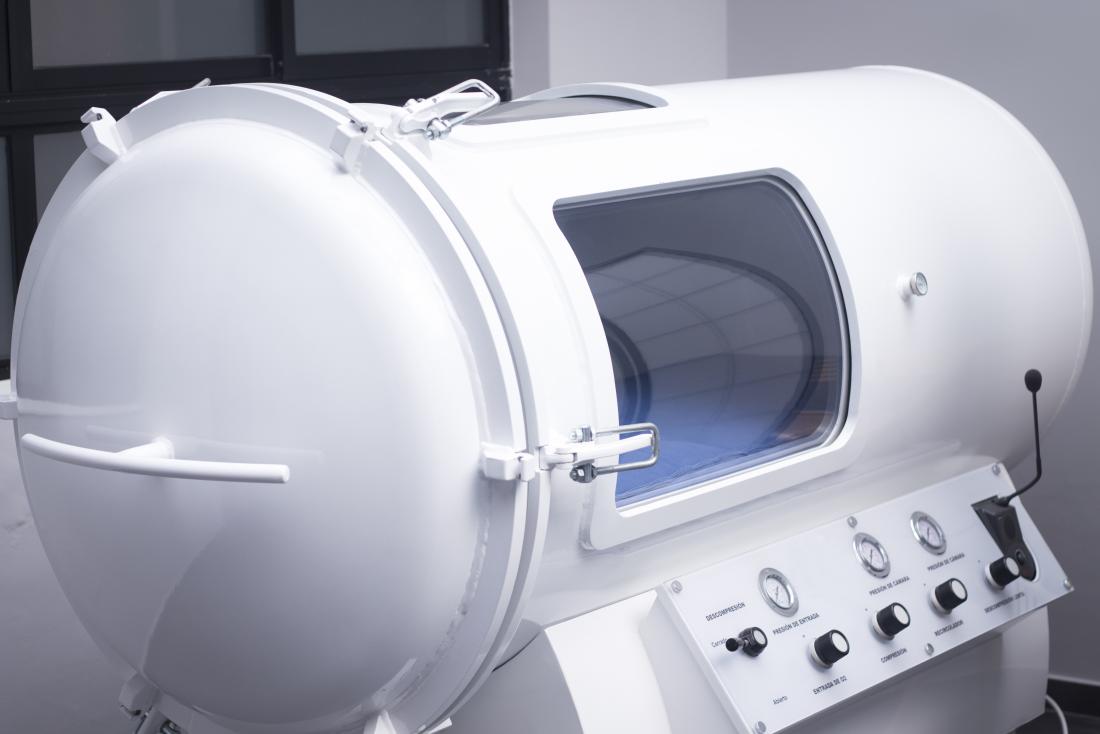
Aug 11 2025 Home Oxygen MachineChoosing oxygen at home is no longer just about picking a box and a mask. In 2026, they need to match a home oxygen machine to a person’s prescription, lifestyle, home layout, and power reliability in Australia.
This guide breaks down what matters now, what to ask suppliers, and what to set up before delivery so they can breathe easier and avoid costly mistakes.
What is a home oxygen machine, and why has the advice changed in 2026?
A home oxygen machine is usually an oxygen concentrator that pulls oxygen from room air and delivers a higher concentration through tubing to a nasal cannula or mask. The advice has changed because more Australians are managing complex respiratory and cardiac conditions at home, with more telehealth follow-up and greater focus on safety, noise, and backup planning.
It also matters that many households now mix home care with travel, flat living, and bushfire season readiness.
Who actually needs home oxygen in Australia?
They need home oxygen only if a clinician prescribes it based on testing, not just breathlessness. In Australia, that commonly includes people with COPD, severe asthma complications, interstitial lung disease, bronchiectasis, pulmonary hypertension, and some heart conditions.
Clinicians often confirm need using resting oxygen saturation, exertion tests (like a 6-minute walk), arterial blood gases, and overnight oximetry for sleep-related desaturation.
What should they ask their doctor before organising equipment?
They should confirm the target oxygen saturation range, when oxygen is required (rest, exertion, sleep, or continuous), and the exact flow rate settings. They should also ask whether they need continuous flow or if pulse-dose is acceptable for any portable option.
They should request written instructions that cover exercise, showering, sleep, and what to do during flare-ups, including when to call an ambulance in their state or territory.
What types of home oxygen systems are most common now?
Most Australians at home use a concentrator for daily stationary use, sometimes paired with portable oxygen for outings. A stationary concentrator is often the “base” system because it avoids frequent cylinder swaps.
Some households still use cylinders for backup, short-term therapy, or where a concentrator is not suitable. Their clinician and supplier usually decide the safest combination based on prescription and home circumstances.
How do they choose between a concentrator and oxygen cylinders?
A concentrator suits people who need regular oxygen and want fewer deliveries, while cylinders suit short-term needs or backup. If they live in a regional area with delivery delays, a concentrator plus backup cylinder often reduces risk.
They should ask about running costs, service schedules, delivery lead times, and what happens if the machine alarms or fails after hours.
What flow rate and usage pattern should shape the decision?
Flow rate and hours per day drive everything: machine capability, noise, heat output, and whether long tubing runs will work. Higher continuous flow needs may require a specific model or an additional humidifier plan.
If oxygen is only for exertion or overnight, they may not need the largest unit, but they still need a setup that reliably meets the prescribed litres per minute.
What does “portable” really mean for Australian day-to-day life?
Portable can mean light enough to carry to the car, but not necessarily comfortable for long walks on footpaths, shopping centres, or coastal ramps. Many portable concentrators work best for pulse-dose delivery and may not suit everyone.
If they expect to use oxygen at the MCG, on Sydney trains, along the Brisbane Riverwalk, or on a trip to the Gold Coast, they should trial the carry style and battery life in real conditions.
What should they check about power, batteries, and blackout planning?
They should plan for power loss, especially in storm-prone areas or where summer heat stresses the grid. A home oxygen machine needs dependable mains power, and some people also need a clear backup plan for nights.
They should ask the supplier about alarm behaviour, restart settings after outages, and whether a backup oxygen cylinder is recommended. For those in bushfire regions, they should also consider evacuation plans that include oxygen and chargers.
How important are noise, heat, and placement in smaller homes?
Noise and heat matter more than most people expect, particularly in flats, townhouses, or shared living spaces. A home oxygen machine should be placed where airflow is good and where tubing will not create trip hazards.
They should measure the space, check the distance to the bedroom, and avoid cramped cupboards. If they use oxygen overnight, placement needs to protect sleep quality for them and anyone else in the home.
What tubing length, cannulas, and masks should they plan for?
They should plan the route before delivery: bed to bathroom, favourite chair, and kitchen access. Long tubing can be convenient, but it can also reduce practical mobility and increase fall risk, especially for older Australians.
They should ask for spare cannulas, connectors, and clear replacement intervals. If dryness is an issue, they should discuss humidification options and the cleaning routine needed to avoid infections.
How do they keep it safe around smokers, cooking, and heaters?
Oxygen increases fire risk by enriching the environment, even though oxygen itself is not “flammable”. They should keep oxygen well away from smoking, open flames, gas cooktops, candles, and heaters.
If someone in the home smokes, the safest plan is a strict no-smoking policy indoors and near oxygen equipment. They should also check state-based guidance and follow the supplier’s written safety instructions without exceptions.
What infection control and cleaning habits matter most?
They should clean cannulas, masks, and humidifier parts as instructed, using the recommended method and frequency. Poor hygiene can lead to chest infections, especially for people with chronic lung disease.
Filters on a home oxygen machine also need regular attention. They should ask the supplier to demonstrate filter checks, cleaning steps, and how to spot warning signs like unusual smells, reduced flow sensation, or alarms.
See Also : Oxygen Machine for Home Use: Safe, Convenient, and Effective
Should they rent or buy, and what costs appear in Australia?
Many people rent through a supplier, particularly when needs may change after pulmonary rehabilitation or recovery. Buying may suit long-term stable requirements, but only if they understand servicing, warranty, and replacement part availability.
They should ask for an itemised quote covering delivery, installation, servicing, after-hours support, consumables, and any call-out fees. If they are using private health or NDIS supports, they should confirm inclusions in writing.
What does servicing and support look like when something goes wrong?
They should expect clear contact pathways, especially outside business hours. A good provider explains alarm codes, troubleshooting steps, and when they will replace a unit.
Because a home oxygen machine can be critical equipment, they should ask about routine service intervals, response times in metro versus regional areas, and what loan equipment is available during repairs.
What questions should they ask before the supplier delivers anything?
They should confirm the exact model, its maximum continuous flow, noise level, and power draw. They should also ask what the supplier will train them on, including alarms, cleaning, and emergency planning.
It helps to ask whether the supplier will assess the home for safe placement, trip hazards, and distance limits for tubing. A short pre-delivery checklist can prevent weeks of frustration.
How can they set up the home so daily life stays normal?
They should map a “safe path” that avoids loose rugs and clutter, especially between bed and bathroom at night. If they use a home oxygen machine in the living room, they should position seating so tubing does not cross walkways.
They can also plan a small station: spare cannulas, sanitising supplies, a torch, and printed emergency numbers. The goal is to reduce stress when symptoms flare.
What should they consider if they travel within Australia?
They should ask the clinician and supplier how to manage oxygen away from home, including flights, long drives, and accommodation. Airlines in Australia have specific rules and often require approved portable concentrators and medical forms.
For road trips across regional NSW, WA, or the NT, they should plan charging, spare batteries, and access to power at stops. If their condition is unstable, they should confirm the safest travel limits before booking.
How do they know the setup is working, and when should it be reviewed?
They should feel better functionally, not just see a number improve. A stable plan usually includes follow-up with their GP or respiratory specialist, plus checks of oxygen saturations during the activities that matter most.
If they need increasing flow rates, get headaches on waking, have worsening breathlessness, or notice frequent alarms, their prescription may need reviewing. A home oxygen machine should support independence, not add uncertainty.
What is the simplest 2026 checklist they can follow?
They can keep it simple by confirming the prescription, matching equipment to real routines, and planning for outages and safety. In practice, that means they should: verify flow and hours, choose the right system type, set safe placement, learn cleaning and alarms, and secure backup oxygen if advised.
With a clear plan, a home oxygen machine becomes a practical tool rather than a daily worry.
FAQs (Frequently Asked Questions)
What is a home oxygen machine and why has the advice for choosing one changed in 2026?
A home oxygen machine, typically an oxygen concentrator, extracts oxygen from room air and delivers it through tubing to a nasal cannula or mask. In 2026, advice has evolved because more Australians manage complex respiratory and cardiac conditions at home, with increased telehealth follow-ups, heightened focus on safety, noise levels, backup planning, and lifestyle factors like travel and bushfire readiness.
Who qualifies for home oxygen therapy in Australia?
Home oxygen is prescribed only by clinicians based on specific tests rather than breathlessness alone. Common candidates include people with COPD, severe asthma complications, interstitial lung disease, bronchiectasis, pulmonary hypertension, and certain heart conditions. Clinicians use resting oxygen saturation, exertion tests (like a 6-minute walk), arterial blood gases, and overnight oximetry to confirm need.
What should patients ask their doctor before organising home oxygen equipment?
Patients should confirm their target oxygen saturation range, when oxygen is required (rest, exertion, sleep or continuous), exact flow rate settings, and whether continuous flow or pulse-dose delivery suits them. They should also request written instructions covering exercise, showering, sleep protocols, flare-up management, and emergency contacts specific to their state or territory.
How do I choose between a stationary oxygen concentrator and oxygen cylinders for home use?
Concentrators are ideal for regular daily oxygen needs with fewer deliveries required. Cylinders suit short-term therapy or as backups. In regional areas with delivery delays, combining a concentrator with backup cylinders reduces risk. Consider running costs, service schedules, delivery lead times, and after-hours support in case of alarms or machine failure.
What factors influence the choice of flow rate and usage pattern for home oxygen therapy?
Flow rate and daily usage hours determine machine capability requirements such as noise level, heat output, tubing length feasibility and whether additional humidification is needed. Higher continuous flow demands specific models while intermittent use during exertion or sleep may require smaller units that still reliably deliver prescribed litres per minute.
What safety precautions should be taken when using home oxygen around smokers and open flames?
Oxygen enriches the environment increasing fire risk though it is not flammable itself. Keep all oxygen equipment well away from smoking areas, open flames like candles or gas cooktops, heaters and any ignition sources. A strict no-smoking policy indoors near oxygen equipment is essential. Follow supplier instructions and state-based safety guidelines without exception to ensure safe use.
Read MoreRecent Posts

What Line Items Make Up Eye Laser Surgery Cost Quotes
This guide breaks down the most common line items Australians see, what each one usually covers, and what to ask so they can compare eye laser surgery cost quotes properly. …Read More »
Hidden Fees That Can Add To Lasik Eye Surgery Cost
This guide breaks down common hidden fees so they can ask better questions, read quotes properly, and avoid surprises on the invoice. What makes the advertised price different from the …Read More »
Top 10 Things Patients and Carers Managing Sleep Apnea and Respiratory Health Should Know About Sleep Study Cost Melbourne
What exactly is a sleep study, and why might someone need one? A sleep study measures breathing, oxygen levels, heart rate, and sleep stages to diagnose conditions like obstructive sleep …Read More »
Comparing Your Options for Sleep Testing Brisbane
This guide is written for Australians managing sleep and breathing concerns, with a practical focus on what each option usually involves and what to ask before booking sleep testing Brisbane. …Read More »
What Is CPAP Mask? A Quick Guide for Patients and Carers Managing Sleep Apnea and Respiratory Health
This guide is written for patients and carers who want clear, practical information, including what types exist, how fitting works, what problems are normal, and when to seek help through …Read More »