Top 10 Things Patients and Carers Managing Sleep Apnea and Respiratory Health Should Know About Sleep Study Cost Melbourne
Aug 04 2026 Sleep StudyWhat exactly is a sleep study, and why might someone need one?
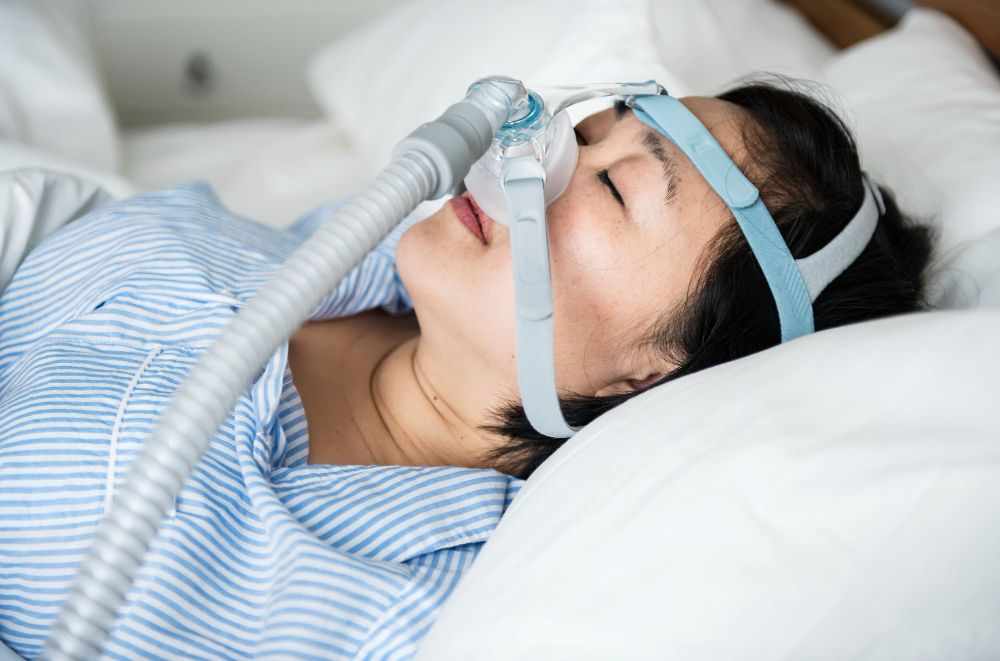
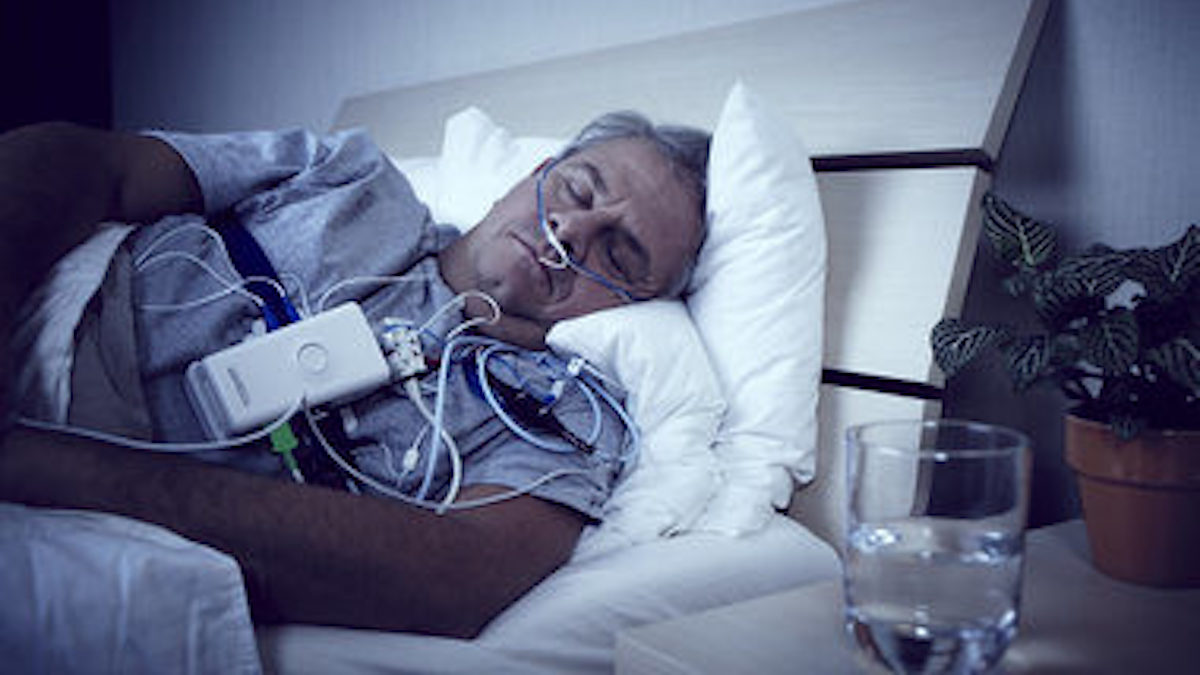
A sleep study measures breathing, oxygen levels, heart rate, and sleep stages to diagnose conditions like obstructive sleep apnoea. Patients and carers usually seek it after loud snoring, choking or gasping, excessive daytime sleepiness, or worsening respiratory symptoms.
In Australia, results often guide whether CPAP, positional therapy, weight management support, dental devices, or specialist respiratory care is appropriate.
Why does sleep study cost vary so much in Melbourne?
Sleep study cost Melbourne can differ because the setting, equipment, clinician involvement, and reporting detail vary between providers. A home study is often priced differently to an in-lab study, and some services bundle consults while others itemise them.
Even the complexity of their symptoms can matter, because some patients need more channels of monitoring, extra scoring time, or specialist review.
Is a home sleep study cheaper than an in-lab sleep study?
Often, yes, a home sleep study can be lower priced because it avoids overnight staffing and facility costs. Many patients start here when symptoms strongly suggest uncomplicated obstructive sleep apnoea.
An in-lab study may be recommended if there are safety concerns, suspected complex sleep disorders, significant cardiorespiratory disease, neuromuscular conditions, or if a prior home test was inconclusive. “
What is usually included in the quoted price?
Patients should ask what the quote covers before booking, because inclusions drive sleep study cost Melbourne more than many people realise. Many providers include device hire, instructions, analysis, and a written report.
Others may add fees for a pre-study consult, a follow-up appointment, CPAP trial setup, mask fitting, or fast-tracked reporting. Carers often help by requesting an itemised quote in writing.
How do Medicare and private health insurance affect out-of-pocket costs?
Medicare rebates can apply to certain sleep study items when eligibility and referral requirements are met. Private health insurance may reduce out-of-pocket costs for an in-hospital study, depending on their cover, waiting periods, and whether the hospital and doctor have agreements with the fund.
Because rules and rebates change, patients should confirm what applies to their specific booking rather than assuming the same sleep study cost Melbourne their friend paid.
See Also : Comparing Your Options for Sleep Testing Brisbane
Do they need a GP referral, and can it change the cost?
A GP referral is commonly required for Medicare-rebated pathways and for many specialist-led services. Without the right referral, patients may still access private testing, but out-of-pocket expenses can rise.
It can also change the journey afterwards. If the referral pathway connects them to a sleep physician or respiratory physician, there may be additional consult fees that sit outside the initial sleep study cost Melbourne quote.
What red flags suggest the cheapest option may not be the best value?
The lowest headline price is not always the best option if the report is limited, follow-up is unclear, or results are not explained in a way patients can act on. Poor-quality studies can delay diagnosis and lead to repeat testing, which can increase the total sleep study cost Melbourne over time.
Patients and carers should check who interprets the study, how results are communicated, and what happens next if sleep apnoea is confirmed.
How can patients and carers ask the right questions before booking?
They can reduce stress by asking a short list of practical questions that directly affect sleep study cost Melbourne. Useful questions include: Is the quote itemised? Are there extra fees for consultations? Is a follow-up included? Who scores and signs the report? How quickly are results delivered?
It also helps to ask what happens if the data is inadequate, because some clinics repeat the test at no charge while others bill again.
What other costs should they plan for after the diagnosis?
A sleep study is often the first cost, not the last. If obstructive sleep apnoea is confirmed, patients may face expenses for CPAP equipment, masks, consumables, humidifiers, and ongoing reviews.
Some people also need dental sleep devices, ENT reviews, weight management support, or respiratory testing. Budgeting beyond sleep study cost Melbourne helps carers avoid being caught off guard in the first month of treatment.
How can they reduce the chance of needing a repeat sleep study?
They can follow setup instructions closely, especially for home studies where sensors can shift overnight. Carers often help by checking the device is secured, batteries are charged, and nasal cannulas and oximeters are properly placed.
They should also report poor sleep, mask intolerance, alcohol use, or severe nasal congestion on the night, as these details can affect interpretation and whether the clinician trusts the data. Avoiding repeats protects them from paying sleep study cost Melbourne twice.
What should they do if cost is a barrier right now?
If finances are tight, they can speak with their GP about referral pathways, ask providers about payment plans, and compare itemised quotes from reputable services. Some patients prioritise starting with a home study when clinically appropriate, because it can lower the upfront sleep study cost Melbourne.
They should also ask what support is available after diagnosis, because effective treatment can reduce long-term health risks and healthcare use, which matters for both patients and carers.
Patients and carers who understand what drives sleep study cost Melbourne can make calmer, more informed choices. The most helpful next step is usually to request an itemised quote, confirm referral and rebate eligibility, and choose a service that provides clear reporting plus practical follow-up.
Read More
Comparing Your Options for Sleep Testing Brisbane
Aug 01 2026 Sleep StudyThis guide is written for Australians managing sleep and breathing concerns, with a practical focus on what each option usually involves and what to ask before booking sleep testing Brisbane.
What is sleep testing and what does it measure?
Sleep testing checks breathing, oxygen levels, heart rate, and sleep patterns to see whether a person has obstructive sleep apnoea or another sleep-related breathing disorder. It can also help clinicians understand severity, which is used to guide treatment choices like CPAP, oral appliances, or lifestyle support.
Most tests track airflow, breathing effort, oxygen saturation, and snoring; then a clinician interprets the results alongside symptoms.
Who should consider sleep testing in Brisbane?
People should consider assessment if they snore loudly, stop breathing during sleep, wake unrefreshed, or feel sleepy while driving or at work. Carers often notice choking, gasping, restless sleep, or mood changes first, especially in partners and older family members.
In Brisbane, clinicians also commonly recommend sleep testing Brisbane when patients have high blood pressure, atrial fibrillation, type 2 diabetes, or a high BMI alongside sleep symptoms.
What are the main types of sleep testing available in Brisbane?
In general, there are two core pathways: home-based sleep studies and in-lab overnight polysomnography. Both can diagnose obstructive sleep apnoea, but they differ in detail, cost, and how closely sleep is monitored.
Choosing between them for sleep testing Brisbane usually depends on symptom complexity, the likelihood of apnoea, and whether other sleep disorders are suspected.
What is a home sleep apnoea test (HSAT) and who is it best for?
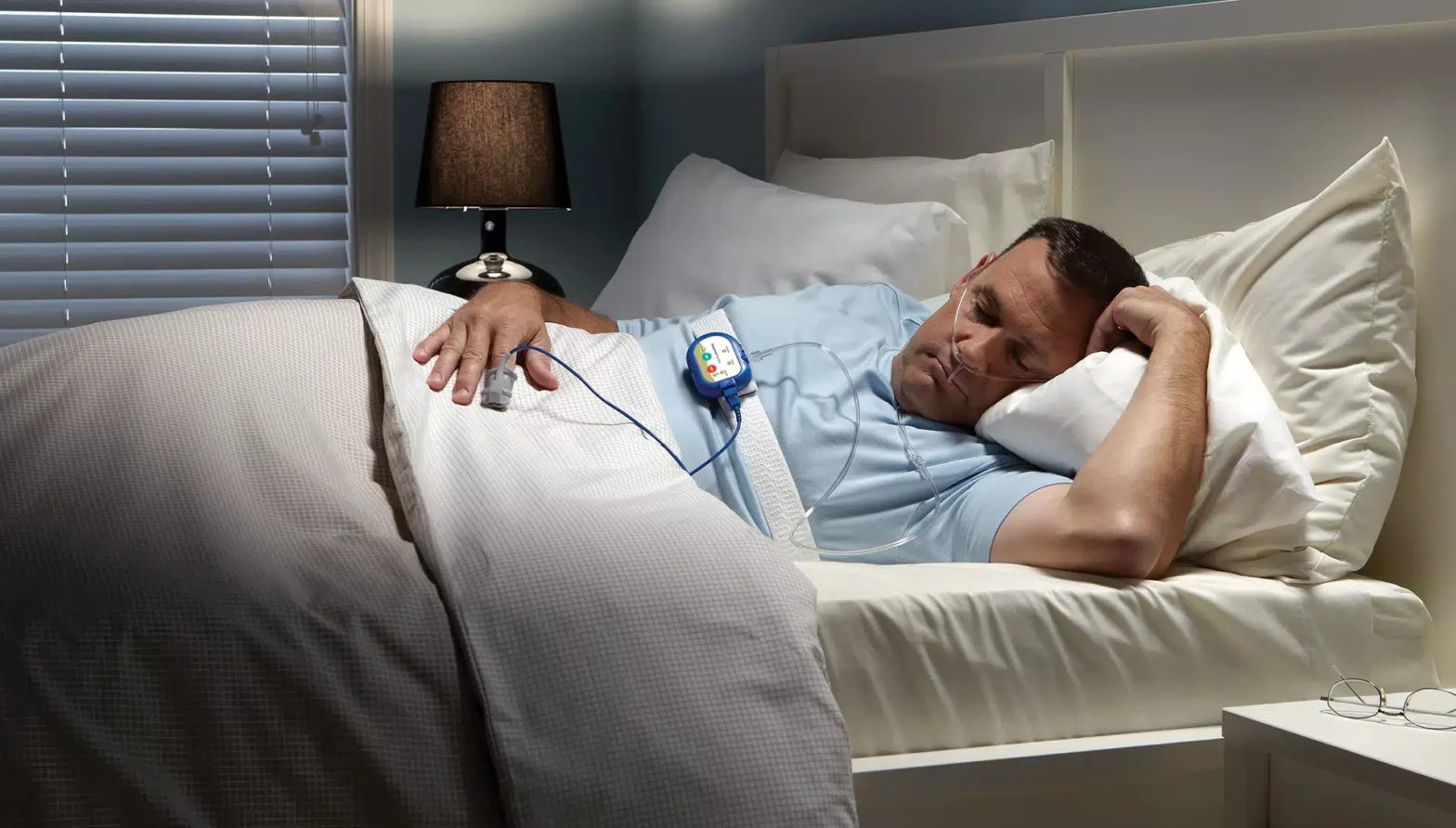
A home sleep apnoea test is a simplified study done in the patient’s own bed using portable equipment. It is often suitable for adults with a strong likelihood of obstructive sleep apnoea and no major complicating conditions.
HSAT is popular in sleep testing Brisbane because it is usually faster to organise and can feel more comfortable than sleeping in a lab.
What does a home sleep test usually measure and what can it miss?
Most HSAT devices measure airflow, breathing effort, oxygen saturation, and pulse rate, and some include snoring and body position. They can diagnose many cases of obstructive sleep apnoea well when the clinical picture is clear.
However, HSAT can miss conditions that need full sleep staging, like some parasomnias, narcolepsy, or nuanced insomnia patterns, because EEG brainwave monitoring is not usually included.
What is an in-lab sleep study (polysomnography) and when is it recommended?
An in-lab sleep study is an overnight test in a sleep laboratory with a broader sensor set and a higher level of supervision. It is often recommended when symptoms are complex, prior results are unclear, or other sleep disorders need to be ruled in or out.
For some patients, sleep testing Brisbane in a lab is also preferred when there are significant coexisting heart, lung, or neurological conditions.
What extra information can an in-lab study provide?
In-lab polysomnography typically includes EEG (sleep stages), eye movements, muscle tone, breathing effort, airflow, oxygen levels, heart rhythm, limb movements, and more. This can clarify whether someone is truly asleep when breathing events occur and can detect additional issues like periodic limb movement disorder.
This depth can matter if the treatment plan depends on sleep architecture, arousal patterns, or mixed causes of fatigue.
How do patients choose between home and in-lab sleep testing in Brisbane?
They should start with risk and complexity: straightforward symptoms often suit HSAT, while complicated histories often suit in-lab testing. Comfort, timing, and cost also matter, especially if the patient needs a quick answer to support safe driving or urgent symptom control.
When comparing sleep testing Brisbane providers, it helps to ask who interprets the study and what follow-up is included.
What should they ask a provider before booking sleep testing?
They should ask what type of test is being offered and why it fits the patient’s symptoms. They should also ask whether the report is written by a sleep physician, how long results take, and what happens if the first study is inconclusive.
For sleep testing Brisbane, it is also worth asking whether the service helps with treatment pathways after diagnosis, including referrals for CPAP trials or oral appliance options.
How does the referral process work in Australia for sleep testing?
Many patients start with a GP, who can assess symptoms, screen for risk factors, and refer to a sleep physician or testing service. Some services accept self-referral, but a GP pathway can help ensure the right test is chosen and that related conditions are checked.
In practice, sleep testing Brisbane is often arranged through a mix of GP clinics, respiratory or sleep specialists, and dedicated sleep services.
What are typical timelines for booking and receiving results?
Timelines vary by provider and test type. Home testing can sometimes be arranged within days, while in-lab studies may involve longer waits due to overnight room availability.
They should ask upfront how long it takes from booking to report delivery, because with sleep testing Brisbane, quick access can be important for people with safety-critical jobs or severe daytime sleepiness.
What costs should they expect for sleep testing in Brisbane?
Costs depend on whether the study is home-based or in-lab, whether Medicare rebates apply, and whether the provider is private. In-lab studies are usually more expensive because of staffing and monitoring, while HSAT can be cheaper and more widely offered.
For sleep testing Brisbane, they should request a written quote that clearly separates test fees, reporting fees, and any follow-up appointment costs.
Can Medicare cover sleep testing in Brisbane?
Medicare may contribute to some sleep studies when eligibility criteria are met and when the study is arranged appropriately, often through medical referral and specific billing processes. Private providers may still involve out-of-pocket expenses, depending on the service model and the clinician’s fees.
Because rules and item numbers can be specific, patients booking sleep testing Brisbane should ask the provider to explain rebates in plain terms before proceeding.
How do private health funds fit into sleep testing decisions?
Private health insurance may help with costs for some in-hospital or in-lab studies, depending on the policy and waiting periods. Extras cover sometimes relates more to treatment equipment or allied health, but policies vary widely.
They should contact their fund with the item numbers and provider details, especially if the sleep testing Brisbane plan includes an overnight admission.
What happens after a positive sleep apnoea diagnosis?
After diagnosis, the clinician usually explains severity, health risks, and treatment options. For many adults, CPAP is the first-line treatment, while others may be suited to mandibular advancement splints, positional therapy, weight management support, or combined approaches.
A good sleep testing Brisbane service should also explain what follow-up looks like, because diagnosis is only useful if it leads to effective, sustainable care.
Will they need a CPAP trial and how is it arranged?
A CPAP trial is commonly offered to confirm comfort, mask fit, and symptom improvement, especially for moderate to severe obstructive sleep apnoea. Some services set this up directly, while others refer to a CPAP provider or a sleep clinic for equipment and coaching.
If the plan includes CPAP, patients should ask whether the sleep testing Brisbane provider offers ongoing support for adherence and troubleshooting.
What if the sleep test is negative but symptoms persist?
A negative HSAT does not always close the case, particularly if symptoms are strong or sleep time was limited during the study. The clinician may recommend an in-lab study, additional screening, or investigation of other causes such as insomnia, medication effects, depression, iron deficiency, or thyroid issues.
With sleep testing Brisbane, a clear next-step plan matters more than a single result.
How reliable are consumer sleep trackers compared with clinical sleep testing?
Smartwatches and phone apps can give general trends, but they do not diagnose obstructive sleep apnoea reliably. They may miss events, misclassify sleep stages, and cannot provide a validated apnoea-hypopnoea index in the way clinical studies do.
They can be a prompt to seek help, but they should not replace sleep testing Brisbane when symptoms are significant.
What safety and driving considerations should patients keep in mind?
Excessive daytime sleepiness raises accident risk, especially for people driving long distances or operating machinery. If someone is falling asleep unintentionally, they should speak with a clinician urgently, limit driving, and seek assessment promptly.
In these scenarios, prioritising timely sleep testing Brisbane can be a practical safety decision, not just a comfort issue.
How can carers support someone going through sleep testing?
Carers can help by noting observed breathing pauses, snoring patterns, and daytime behaviour changes, because these details improve clinical accuracy. They can also assist with setting up HSAT equipment correctly and ensuring the patient follows instructions on the night.
For sleep testing Brisbane, carers are often the reason the problem is recognised early, especially when the patient minimises symptoms.
What red flags suggest they should seek urgent medical review?
They should seek prompt medical advice if there is severe daytime sleepiness with near-misses while driving, breathlessness at rest, chest pain, or signs of heart rhythm disturbance. Sudden worsening, significant oxygen desaturations on a previous study, or complex lung disease also warrant specialist input.
Sleep symptoms can overlap with serious conditions, so sleep testing Brisbane should sit within proper clinical assessment when red flags are present.
How do they compare providers without getting overwhelmed?
They should compare four basics: test type, clinical oversight, turnaround time, and follow-up support. It also helps to check whether the service coordinates treatment or simply provides a report.
If they keep the focus on clinical fit rather than marketing, choosing sleep testing Brisbane becomes simpler and more patient-centred.
What is the simplest way to decide on the right sleep testing option in Brisbane?
They should match the test to the question: straightforward suspected obstructive sleep apnoea often suits HSAT, while broader symptom patterns often suit in-lab polysomnography. The most helpful provider is usually the one that explains the reasoning clearly and supports the next steps after diagnosis.
For most patients, the best sleep testing Brisbane choice is the one that leads to a clear result, timely treatment, and sustained breathing and sleep improvement.
Read More
What Is Codependency Recovery? A Quick Answer for Patients and Carers Managing Sleep Apnea and Respiratory Health
Jul 22 2026 Sleep StudyThis article explains what codependency can look like in sleep and breathing care, why it matters clinically, and what practical steps help in day-to-day life.
What does codependency look like when sleep apnoea is involved?
It often shows up as one person monitoring, prompting, rescuing, or controlling treatment, while the other withdraws or relies on that support to cope. In Australian homes, this can centre on CPAP use, mask fitting, bedtime routines, and anxiety about breathing events.
In codependency recovery, the goal is not less care. It is clearer roles, more shared responsibility, and fewer patterns that exhaust both patient and carer.
Why can sleep loss make codependent patterns worse?
Poor sleep reduces patience, emotional regulation, and problem-solving, which can intensify conflict or over-functioning. If a carer is waking to check breathing or fight about CPAP, both people may become more reactive and less able to plan calmly.
Codependency recovery can be harder when sleep debt is high, so restoring sleep stability is often part of the emotional repair, not separate from it.
How is codependency different from normal caring and support?
Normal support respects autonomy and focuses on agreed safety steps, like keeping follow-up appointments or helping with equipment setup. Codependency often involves fear-driven behaviour, like constant checking, threats, guilt, or doing treatment tasks that the patient can do themselves.
Codependency recovery supports caring that is collaborative, consent-based, and realistic for long-term respiratory management.
What are common triggers for carers of people with sleep apnoea?
Carers may be triggered by loud snoring, witnessed apnoeas, choking sounds, daytime sleepiness, or near-miss driving fatigue. Some have experienced medical scares, which can make any non-use of CPAP feel like an emergency.
In codependency recovery, triggers are treated as signals to plan and communicate, not as reasons to control. That planning can include escalation steps agreed with the treating team in Australia.
What are signs a patient may be leaning too heavily on a partner or family member?
A patient might avoid learning their own CPAP settings, forget scripts and reviews, or expect the carer to manage all health admin. They may also downplay symptoms while relying on the carer to “handle the consequences”.
Codependency recovery helps the patient build capability, so their respiratory health plan is something they own, not something done to them or for them.
How can codependency affect CPAP adherence and respiratory outcomes?
When treatment becomes a battleground, CPAP can turn into a symbol of conflict rather than a health tool. A carer might pressure nightly use, and a patient might resist to regain a sense of control, even if they know it helps.
Codependency recovery aims to shift the focus back to outcomes: safer sleep, better daytime functioning, and consistent follow-up with Australian sleep and respiratory services.
What are the risks of “policing” breathing or CPAP at night?
Night-time policing can increase anxiety and insomnia for both people. It can also create unsafe sleep practices, like a carer staying half-awake to monitor, which worsens their own health and judgement.
In codependency recovery, night-time safety is handled with agreed strategies: equipment checks before bed, a clear plan for mask issues, and medical review when symptoms persist.
When should someone treat sleep apnoea as urgent rather than a relationship issue?
If there are severe symptoms such as significant daytime sleepiness, witnessed long pauses in breathing, chest pain, or safety risks like falling asleep while driving, medical care should take priority. In Australia, urgent assessment may involve a GP, emergency services, or a sleep physician depending on severity.
Codependency recovery should never delay medical escalation. It works best alongside proper clinical review and treatment.
What does codependency recovery actually involve in practical terms?
It usually involves three things: insight into patterns, skills to change them, and support to maintain change. For patients and carers, that can look like clearer communication, agreed responsibilities, and limits that protect sleep.
Codependency recovery also includes tolerating discomfort. That may mean allowing the patient to experience the natural consequences of skipping treatment, while still following an agreed safety plan.
How can boundaries be set without withdrawing care?
Boundaries are clearer when they are behavioural and specific. For example: the carer can agree to help clean and replace filters weekly, but not to argue nightly about mask use. The patient can agree to attend reviews and troubleshoot comfort issues, rather than avoiding them.
Codependency recovery frames boundaries as a way to keep care sustainable, especially when respiratory issues are long-term.
What conversations help most for patients and carers managing CPAP?
Short, planned conversations work better than midnight conflict. A weekly check-in can cover what is working, what is uncomfortable, what appointments are due, and what support is needed.
In codependency recovery, the key question becomes: “What support helps them manage their own treatment?” rather than “How can someone make them comply?”
How can clinicians and care teams support this in Australia?
Australian GPs, sleep physicians, respiratory specialists, and CPAP providers can help by clarifying the treatment plan and encouraging patient ownership. They can also screen for anxiety, depression, insomnia, and carer strain, which frequently overlap with sleep apnoea.
Codependency recovery is often more effective when the care team addresses comfort problems early, because unresolved side effects can drive avoidance and conflict.
What role do mental health supports play alongside respiratory treatment?
Psychologists and counsellors can help with health anxiety, conflict cycles, and behavioural change around sleep. Some people benefit from CBT-I for insomnia, stress management, or therapy focused on relationships and boundaries.
Codependency recovery does not replace medical treatment for sleep apnoea. It complements it, so treatment is more likely to be followed consistently and with less distress.
What can carers do tonight to reduce stress without sacrificing safety?
They can prioritise a pre-bed plan: ensure the CPAP equipment is ready, confirm the patient knows what to do if the mask leaks, and agree on what warrants waking someone. They can also protect their own sleep by using earplugs if appropriate, sleeping in a separate room temporarily, or setting a clear rule about not arguing after lights out.
Codependency recovery starts with small changes that reduce reactivity and improve sleep.
What can patients do tonight to take more ownership of their respiratory health?
They can handle one task independently, such as cleaning the mask, checking humidifier water, or confirming the next follow-up appointment. If CPAP is uncomfortable, they can document the issue and contact their provider or clinician rather than silently stopping.
Codependency recovery grows when the patient takes consistent, manageable responsibility, not when they promise perfection.
See Also : Comparing Your Options for Porn Addiction Help
How can families handle setbacks like CPAP intolerance or mask problems?
Setbacks should be treated as clinical problems to solve, not moral failures. Many patients need several mask trials, pressure adjustments, humidification changes, or treatment for nasal blockage before CPAP feels tolerable.
Codependency recovery encourages both sides to move from blame to problem-solving, using Australian clinical supports and supplier options.
What’s a simple way to measure progress over the next month?
Progress can be tracked using fewer conflicts, more consistent sleep, and clearer shared routines, not just CPAP hours. Practical markers include the patient attending appointments, the carer sleeping through the night more often, and both people feeling less anxious about bedtime.
Codependency recovery is working when support feels calmer, roles feel fairer, and respiratory care becomes a routine rather than a nightly crisis.
What is the bottom line for patients and carers in Australia?
Codependency recovery is about supporting sleep apnoea and respiratory health without losing boundaries, sleep, or wellbeing. It helps carers step out of policing and helps patients step into ownership, while still keeping safety and clinical care central.
If they feel stuck, they can start with a GP discussion in Australia, ask for a sleep or respiratory review, and consider counselling support to make the home plan sustainable.
Read More
Why a CPAP Sleep Study Can Fast-Track Your Treatment Plan
Mar 20 2026 Sleep StudyWhat is a CPAP sleep study, and how is it different from a regular sleep study?
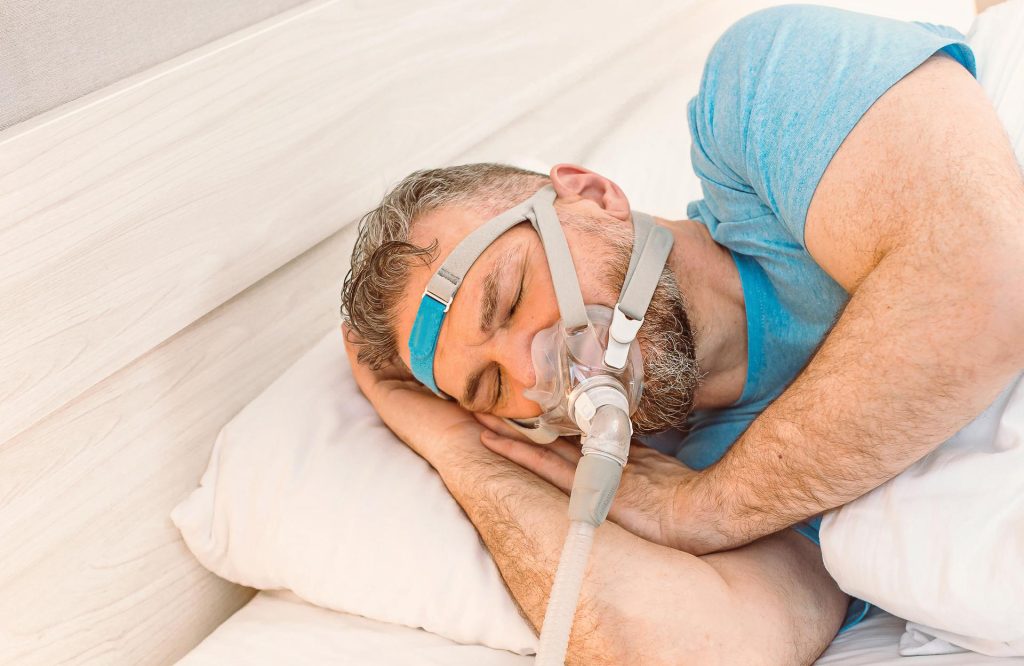
A CPAP sleep study is a monitored night of sleep where clinicians evaluate breathing and, if needed, start CPAP therapy during the study. Unlike a diagnostic-only study that simply confirms sleep apnea, a CPAP-focused study also tests treatment in real time.
In many labs, this is done as part of a CPAP sleep study, often conducted as a “split-night” study where the first part diagnoses the condition and the second part titrates CPAP settings once apnea is clearly seen.
How does a CPAP sleep study confirm whether they actually need treatment?
It identifies how often breathing events happen, how severe they are, and how much oxygen drops during sleep. That matters because symptoms alone can be misleading, and severity helps determine urgency and the best treatment path.
The study also shows patterns, like whether events worsen in REM sleep or when they sleep on their back, which can influence therapy decisions and expectations.
Why can it shorten the time from diagnosis to feeling better?
It reduces guesswork. Instead of diagnosing apnea and then scheduling a second appointment or trial period to adjust therapy later, a CPAP sleep study can move directly into choosing a workable pressure range and setup.
When they leave with a clearer prescription and a more confident plan, they often spend less time cycling through discomfort, ineffective settings, or repeated follow-ups just to reach stability.
What does “titration” actually do for their CPAP prescription?
Titration finds the pressure needed to keep the airway open across different sleep stages and positions. The goal is not just “some pressure,” but the lowest effective pressure that reliably prevents events and improves oxygen levels.
That precision can help them avoid common early problems, like persistent snoring on CPAP, waking up gasping, aerophagia from overly high pressure, or a lingering sense that therapy “isn’t working.”
How does it help choose the right mask and comfort settings?
A study can reveal issues that are hard to spot at home, such as mouth breathing, leak patterns, or discomfort that causes frequent awakenings. Technicians can swap masks, adjust fit, or add comfort settings on the spot.
That early troubleshooting can be the difference between someone who tolerates CPAP from week one and someone who abandons it after a few frustrating nights.
Can a CPAP sleep study prevent weeks of trial-and-error with an at-home setup?
For many people, yes. Home trials can work well, but they rely on gradual adjustments and user feedback, and some problems only show up clearly under monitoring.
A CPAP sleep study can quickly answer questions like whether pressure needs to vary during the night, whether they need bilevel support, or whether leaks are undermining therapy, so they are not stuck “testing” indefinitely.
When is a split-night CPAP study especially useful?
It is often useful when moderate to severe sleep apnea is suspected and there is a high likelihood they will need CPAP. In those cases, a split-night approach can compress diagnosis and treatment into one appointment.
It can also help when symptoms are disruptive and time matters, such as severe daytime sleepiness, safety-sensitive jobs, or significant oxygen drops that suggest they should not wait months to optimize therapy.
What should they expect during the night?
They will sleep with sensors that monitor breathing, oxygen, heart rate, sleep stages, and movement. If CPAP is introduced, they will wear a mask connected to a machine while staff adjust settings to reduce breathing events.
It can feel unfamiliar at first, but the lab environment is designed for this, and the staff can respond immediately if they feel claustrophobic, overly pressured, or unable to settle.
What happens after the study, and how does it speed up the next steps?
The results typically produce a clear treatment recommendation and a prescription that includes pressure settings and therapy type. With a stronger starting point, their equipment provider and clinician can move faster and make fewer changes later.
They should still expect some fine-tuning in the first weeks, but the baseline is usually closer to what they actually need, which can speed up comfort and symptom improvement. See bulk-billed sleep study Perth availability and waiting times guide.
How can they get the most value from a CPAP sleep study?
They should share relevant details upfront, including usual sleep position, nasal congestion, prior mask concerns, and any anxiety about CPAP. Bringing their typical bedtime routine, avoiding heavy alcohol before the test, and asking how results will be communicated can also help.
Most importantly, they should treat the study as the start of a plan, not a one-night verdict. The faster the first setup is right, the faster they can feel like themselves again.
FAQs (Frequently Asked Questions)
What is a CPAP sleep study and how does it differ from a regular sleep study?
A CPAP sleep study is a monitored night of sleep where clinicians not only diagnose sleep apnea but also initiate and adjust CPAP therapy during the same study. Unlike a regular diagnostic-only sleep study that simply confirms the presence of sleep apnea, a CPAP-focused study tests treatment in real time, often using a split-night approach where the first part diagnoses and the second part titrates CPAP settings.
How does a CPAP sleep study confirm if treatment is necessary?
The study measures how often breathing disruptions occur, their severity, and oxygen level drops during sleep. These objective data points help determine the urgency and best treatment path, as symptoms alone can be misleading. It also identifies patterns like worsening events during REM sleep or when sleeping on the back, influencing therapy decisions.
Why can a CPAP sleep study shorten the time from diagnosis to symptom relief?
By combining diagnosis and treatment titration into one session, it eliminates the guesswork and delays associated with separate appointments or trial periods. Patients leave with clearer pressure settings and mask choices, reducing time spent on ineffective therapy adjustments or repeated follow-ups, thus speeding up comfort and symptom improvement.
What role does titration play in determining my CPAP prescription?
Titration identifies the lowest effective pressure needed to keep your airway open across different sleep stages and positions. This precision helps prevent common early issues like persistent snoring, waking gasps, discomfort from high pressure, or feelings that therapy isn’t working by ensuring optimal pressure tailored to your needs.
How does a CPAP sleep study help select the right mask and comfort settings?
During the study, technicians observe factors like mouth breathing, air leaks, or discomfort causing awakenings. They can immediately try different masks, adjust fit, or add comfort features to find what works best for you. Early troubleshooting increases tolerance to CPAP therapy from the start and reduces frustration that might lead to abandonment.
Can a CPAP sleep study reduce weeks of trial-and-error compared to at-home setups?
Yes. While home trials rely on gradual adjustments and user feedback, some problems only become clear under clinical monitoring. A CPAP sleep study quickly determines if pressure needs vary during the night, if bilevel support is necessary, or if leaks are compromising therapy effectiveness—helping avoid prolonged testing periods at home.
Read MoreRecent Posts
What Line Items Make Up Eye Laser Surgery Cost Quotes
This guide breaks down the most common line items Australians see, what each one usually covers, and what to ask so they can compare eye laser surgery cost quotes properly. …Read More »
Hidden Fees That Can Add To Lasik Eye Surgery Cost
This guide breaks down common hidden fees so they can ask better questions, read quotes properly, and avoid surprises on the invoice. What makes the advertised price different from the …Read More »
Top 10 Things Patients and Carers Managing Sleep Apnea and Respiratory Health Should Know About Sleep Study Cost Melbourne
What exactly is a sleep study, and why might someone need one? A sleep study measures breathing, oxygen levels, heart rate, and sleep stages to diagnose conditions like obstructive sleep …Read More »
Comparing Your Options for Sleep Testing Brisbane
This guide is written for Australians managing sleep and breathing concerns, with a practical focus on what each option usually involves and what to ask before booking sleep testing Brisbane. …Read More »
What Is CPAP Mask? A Quick Guide for Patients and Carers Managing Sleep Apnea and Respiratory Health
This guide is written for patients and carers who want clear, practical information, including what types exist, how fitting works, what problems are normal, and when to seek help through …Read More »