Oxygen Machine for Home Use Safe Convenient and Effective, Revisited
Aug 11 2025 Oxygen MachineHome oxygen has become more common across Australia, but it still raises practical questions about safety, comfort, and what “effective” really looks like day to day. This revisited guide explains what an oxygen machine for home use safe convenient and effective means in real homes, and what they should check before committing to one.
What is an oxygen machine for home use, and how does it work?
An oxygen concentrator takes in room air, filters out nitrogen, and delivers a higher concentration of oxygen through tubing and a nasal cannula or mask. In most Australian households, this means a plug-in device designed for continuous use rather than short bursts.
For many, an oxygen machine for home use safe convenient and effective is simply one that delivers the prescribed flow reliably, without creating unnecessary risk or hassle.
Who in Australia typically needs home oxygen therapy?
People may be prescribed home oxygen for chronic lung conditions like COPD, severe asthma, pulmonary fibrosis, or after a significant respiratory illness. Some may also need oxygen during sleep or exertion, depending on test results and specialist advice.
They should treat an oxygen machine for home use safe convenient and effective as part of a broader care plan, not a substitute for medical review, inhalers, pulmonary rehab, or monitoring.
How do they know what oxygen flow rate and settings they need?
They should only use the flow rate written on the prescription, usually informed by pulse oximetry and sometimes arterial blood gas testing. Adjusting settings without guidance can be unsafe, especially for people with COPD who may be sensitive to excess oxygen.
A key sign of an oxygen machine for home use safe convenient and effective setup is that settings match the prescription and their clinician has confirmed targets for oxygen saturation.
What makes an oxygen machine safe to run at home?
Safety is mostly about fire risk, correct placement, and keeping equipment in good condition. Oxygen itself is not flammable, but it accelerates combustion, so common hazards become far more dangerous.
For an oxygen machine for home use safe convenient and effective routine, they should follow three basics: no smoking or open flames, keep distance from heaters or cooktops, and ensure cords and tubing do not create trip or electrical hazards.
Where should they place the machine in an Australian home?
They should place it in a well-ventilated, dry area with space around vents, away from curtains, bedding, and direct heat. In many homes, a living area is easier than a bedroom because it reduces congestion around sleeping spaces, but it depends on their mobility and night-time needs.
An oxygen machine for home use safe convenient and effective layout usually includes a stable surface, clear airflow, and tubing routed along walls to reduce tripping.
How can they reduce noise, heat, and disruption to daily life?
Most concentrators produce a steady hum and warm exhaust air. They can reduce disruption by choosing a sensible location, avoiding enclosed corners, and using longer tubing if clinically appropriate and approved.
If they want an oxygen machine for home use safe convenient and effective experience, they should prioritise a model with manageable noise levels for their living space and a setup that does not interfere with sleep, calls, or TV volume.
What is the difference between a stationary and portable oxygen concentrator?
Stationary units generally provide higher continuous flow and are designed to run for long periods at home. Portable oxygen concentrators are lighter and often use pulse-dose delivery, which may not suit everyone, particularly those prescribed continuous flow.
For many households, an oxygen machine for home use safe convenient and effective plan uses a stationary unit at home, with portability addressed separately if their clinician confirms it suits their prescription.
Other Resources : Chronic Obstructive Pulmonary Disease (COPD) and its management
Do they need humidification, and when is it helpful?
Humidification can reduce dryness in the nose and throat, especially at higher flow rates or with long daily use. Some people manage well without it, while others benefit from a humidifier bottle fitted to compatible equipment.
A practical marker of an oxygen machine for home use safe convenient and effective setup is comfort. If dryness leads to poor adherence, they should ask their provider whether humidification or cannula changes are appropriate.
How do they keep tubing and cannulas clean and safe?
They should follow the supplier’s cleaning schedule and replace consumables as recommended. Tubing can collect dust or moisture, and cannulas can irritate skin or become unhygienic if used too long.
For an oxygen machine for home use safe convenient and effective routine, they should keep spare cannulas on hand, check for kinks, and make sure connectors fit securely to avoid leaks and reduced delivery.
See Also : Home Oxygen Machine What You Need to Know Before Buying
What should they check before buying or renting in Australia?
They should confirm the prescribed flow type (continuous or pulse), required LPM range, and expected daily hours. They should also ask about servicing, warranty, replacement filters, and what support exists if the device alarms.
Choosing an oxygen machine for home use safe convenient and effective option often comes down to fit-for-prescription, reliable servicing, and clear supplier support in their state or territory.
How much does home oxygen equipment cost in Australia, and what support may exist?
Costs vary widely depending on whether they rent or buy, the type of device, and included servicing. Some people may access support through hospital programmes, private health insurance, DVA arrangements, or specific clinical pathways, depending on eligibility.
Rather than focusing only on price, they should judge whether the oxygen machine for home use safe convenient and effective over time, including maintenance, consumables, and responsive help when problems arise.
What are common mistakes people make with home oxygen?
The most common issues are using unapproved flow settings, placing the unit too close to heat sources, letting tubing become a trip hazard, and ignoring alarms. Another frequent mistake is assuming oxygen will automatically reduce breathlessness in every situation, even when fatigue, anxiety, or deconditioning are contributing.
They improve outcomes when they treat an oxygen machine for home use safe convenient and effective as a system: device, environment, habits, and follow-up.
How do they monitor effectiveness day to day without overthinking it?
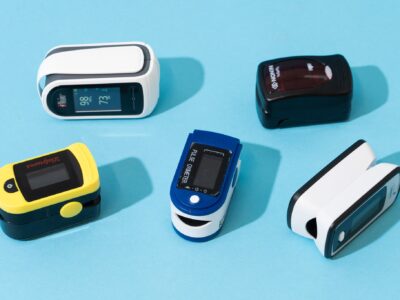
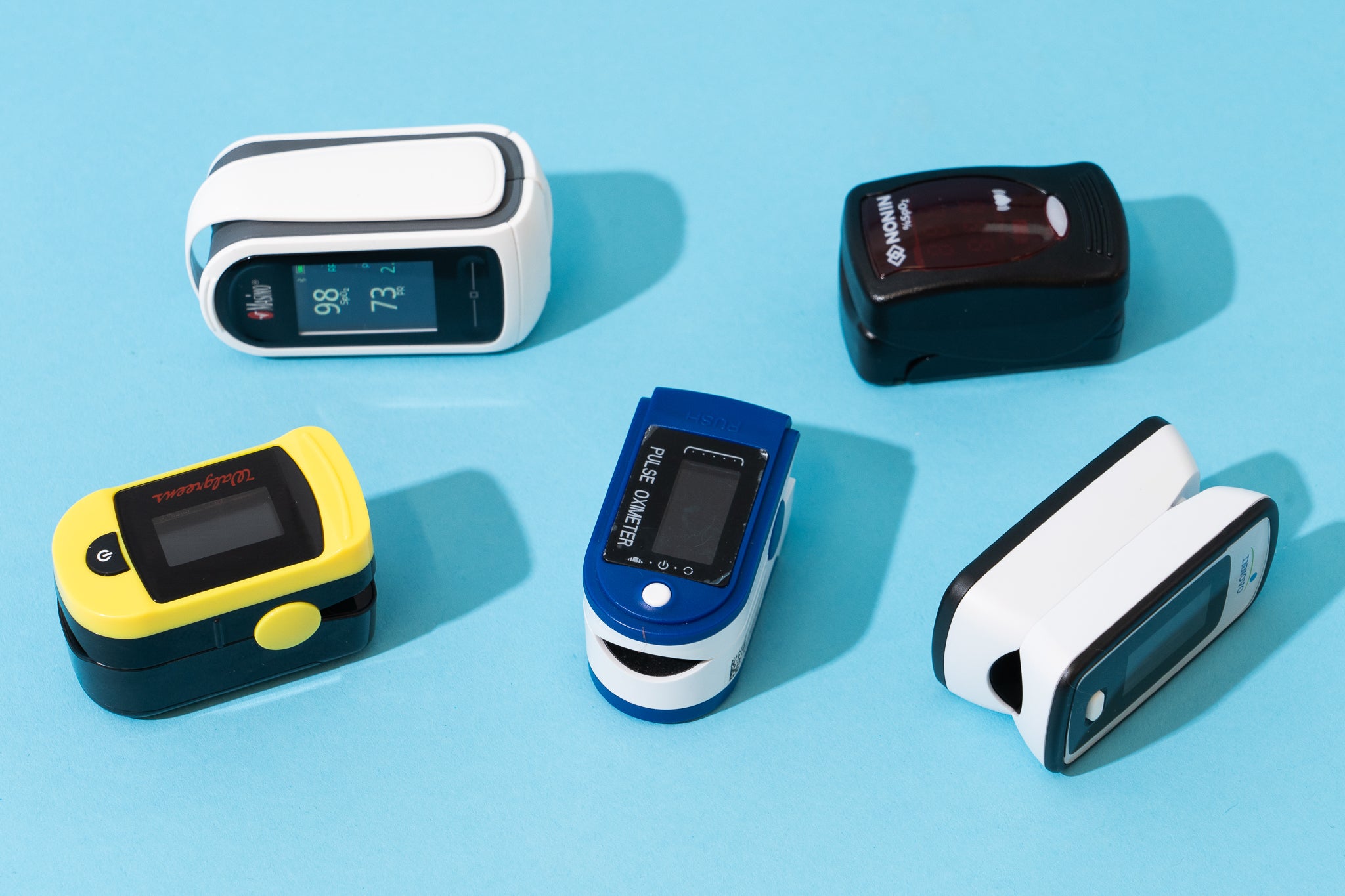
They should follow the clinician’s advice on targets and use a pulse oximeter only if they understand what readings mean for them. A useful approach is to watch for practical improvements such as better tolerance for showering, walking to the letterbox, or sleeping with fewer wake-ups.
An oxygen machine for home use safe convenient and effective plan is one where symptoms, saturations, and daily function align with clinical goals, and any changes are discussed early with a GP or respiratory team.
When should they seek urgent medical advice?
They should seek urgent help if they have severe breathlessness at rest, chest pain, confusion, blue lips, fainting, or rapidly worsening symptoms, even if oxygen is running. They should also act if the device fails and they cannot maintain safe saturations as advised by their clinician.
An oxygen machine for home use safe convenient and effective setup supports care, but it does not replace emergency assessment when warning signs appear.
What does “safe, convenient, and effective” look like in real homes?
It looks like equipment that matches the prescription, sits safely in the home, and is easy enough to use that they actually keep using it. It also looks like fewer flare-ups triggered by poor adherence, fewer disruptions from alarms or discomfort, and a clear plan for servicing and replacement.
Ultimately, an oxygen machine for home use safe convenient and effective is the one that helps them meet clinical targets while fitting into everyday life in an Australian household.
FAQs (Frequently Asked Questions)
What is an oxygen machine for home use and how does it operate safely in Australian homes?
An oxygen machine for home use, commonly known as an oxygen concentrator, takes in room air, filters out nitrogen, and delivers a higher concentration of oxygen through tubing and a nasal cannula or mask. In Australian households, these plug-in devices are designed for continuous use, providing the prescribed flow reliably without creating unnecessary risk or hassle.
Who typically requires home oxygen therapy in Australia and how should it be integrated into their care?
Home oxygen therapy is usually prescribed for individuals with chronic lung conditions such as COPD, severe asthma, pulmonary fibrosis, or following significant respiratory illnesses. It may also be needed during sleep or exertion based on specialist advice. An oxygen machine for home use should be part of a broader care plan that includes medical review, inhalers, pulmonary rehabilitation, and ongoing monitoring.
How do patients determine the correct oxygen flow rate and settings for their home oxygen machine?
Patients should only use the flow rate specified on their prescription, which is typically determined by pulse oximetry or arterial blood gas testing. Adjusting settings without clinical guidance can be unsafe, especially for those with COPD sensitive to excess oxygen. A safe and effective setup ensures settings match the prescription and that clinicians have confirmed target oxygen saturation levels.
What safety measures should be followed when using an oxygen machine at home?
Safety primarily involves managing fire risks, proper placement, and maintaining equipment condition. Although oxygen itself is not flammable, it accelerates combustion. Users should avoid smoking or open flames near the device, keep it away from heaters or cooktops, and ensure cords and tubing do not create trip or electrical hazards to maintain a safe and convenient environment.
Where is the best place to position an oxygen concentrator within an Australian home?
An oxygen machine should be placed in a well-ventilated, dry area with ample space around vents and away from curtains, bedding, and direct heat sources. Often a living area is preferable to reduce congestion around sleeping spaces; however, placement depends on individual mobility and night-time needs. The setup should include a stable surface with clear airflow and tubing routed along walls to minimise tripping hazards.
How can noise and heat from an oxygen concentrator be minimised to reduce disruption in daily life?
Most concentrators emit a steady hum and warm exhaust air. To reduce disruption, users can select a model with manageable noise levels suited to their living space, position the device away from enclosed corners, use longer approved tubing if clinically appropriate, and choose locations that do not interfere with sleep or daily activities such as phone calls or watching TV.
Read MoreRecent Posts
What Line Items Make Up Eye Laser Surgery Cost Quotes
This guide breaks down the most common line items Australians see, what each one usually covers, and what to ask so they can compare eye laser surgery cost quotes properly. …Read More »
Hidden Fees That Can Add To Lasik Eye Surgery Cost
This guide breaks down common hidden fees so they can ask better questions, read quotes properly, and avoid surprises on the invoice. What makes the advertised price different from the …Read More »
Top 10 Things Patients and Carers Managing Sleep Apnea and Respiratory Health Should Know About Sleep Study Cost Melbourne
What exactly is a sleep study, and why might someone need one? A sleep study measures breathing, oxygen levels, heart rate, and sleep stages to diagnose conditions like obstructive sleep …Read More »
Comparing Your Options for Sleep Testing Brisbane
This guide is written for Australians managing sleep and breathing concerns, with a practical focus on what each option usually involves and what to ask before booking sleep testing Brisbane. …Read More »
What Is CPAP Mask? A Quick Guide for Patients and Carers Managing Sleep Apnea and Respiratory Health
This guide is written for patients and carers who want clear, practical information, including what types exist, how fitting works, what problems are normal, and when to seek help through …Read More »