

Comparing Your Options for Porn Addiction Help
Jul 27 2026 Porn AddictionThis guide compares common options, explains what each can and cannot do, and helps patients and carers choose a safer next step. While uhhmassage.com focuses on respiratory and sleep health, the same clinical principles apply here: clear goals, measured progress, and support that fits real life.
What counts as a sign they might need help?
They may need porn addiction help if porn use feels out of control, takes up increasing time, or keeps happening despite clear downsides. A key sign is persistent distress, not just frequency.
Common red flags include secrecy, escalation to more intense content, relationship conflict, reduced interest in partnered sex, and using porn mainly to cope with stress, anxiety, loneliness, or insomnia.
What should they do first if they are unsure?
They should start with a brief self-check and a low-barrier support option, then escalate if needed. For many people, the first step in porn addiction help is clarifying what is happening and why.
Practical starting points include tracking triggers for two weeks, noting time spent, and identifying what they are avoiding or soothing. If risk is present, such as suicidal thoughts, urgent care is the priority.
How can a GP in Australia help?
A GP can rule out or address contributors like depression, anxiety, ADHD, medication effects, and sleep disruption, then connect them with the right supports. In Australia, a GP can also arrange a Mental Health Treatment Plan for Medicare subsidised sessions with eligible clinicians.
For porn addiction help, a GP referral can make therapy more affordable and coordinated, especially when the person also has sleep problems, substance use, or significant relationship stress.
What does psychologist therapy look like for this?
Psychologists typically focus on skills, patterns, and relapse prevention, not shame or moral judgement. Evidence-based approaches for porn addiction help often include CBT (cognitive behavioural therapy), ACT (acceptance and commitment therapy), and habit change work.
Sessions may cover trigger mapping, urge surfing, cognitive reframing, and values-based goals. Progress is usually measured in reduced distress and improved functioning, not perfection.
When is a psychiatrist a better option?
A psychiatrist may be useful when there are complex mental health conditions, severe compulsive symptoms, or medication considerations. They can diagnose and treat comorbidities and, when appropriate, prescribe medications for co-occurring issues such as OCD, depression, or anxiety.
For porn addiction help, psychiatry is often an adjunct rather than the only intervention, but it can be crucial where risk, impairment, or complexity is high.
How can couples or sex therapy support recovery?
Couples therapy can reduce conflict, rebuild trust, and improve communication about boundaries and intimacy. Sex therapy can address sexual functioning concerns, mismatched desire, and performance anxiety without centring blame.
For many Australians, porn addiction help works better when partners have a structured space to discuss expectations, disclosure, and recovery plans. This is especially relevant if porn use has affected intimacy or created ongoing suspicion.
Are peer support groups worth trying?
Peer groups can provide structure, accountability, and a sense of not being alone. For some, porn addiction help is more sustainable when it includes regular meetings and shared language for setbacks.
Options vary, including 12-step style programmes and secular groups. They should choose a group that feels safe, avoids coercive practices, and encourages professional support when mental health issues or risk factors are present.
Do online programmes and apps actually work?
Online programmes can help with education, tracking, and skills practice, especially for people in rural areas or those wanting privacy. They can be a useful layer of porn addiction help when paired with a clinician or support group.
Quality varies widely. They should look for transparent evidence claims, qualified creators, clear privacy policies, and tools that focus on behaviour change rather than fear-based messaging.
What role do helplines and crisis services play?
Helplines can provide immediate support, especially when distress spikes or someone feels unsafe. They do not replace therapy, but they can be a crucial entry point to porn addiction help.
In Australia, Lifeline (13 11 14) is available 24/7 for crisis support. If there is immediate danger, calling 000 or attending the nearest emergency department is the safest step.
How should they compare providers and choose the right fit?
They should compare training, approach, confidentiality, and whether the clinician is comfortable treating compulsive sexual behaviours. A good fit matters because porn addiction help often requires honest discussion and consistent follow-up.
Useful questions include: What therapy models do they use? How do they measure progress? How do they handle relapse? Can they coordinate with a GP? Do they offer telehealth across Australia?
What should they watch for in low quality or harmful services?
They should be cautious of services that promise a “cure”, demand expensive long-term packages upfront, or use shame as motivation. Ethical porn addiction help avoids scare tactics and respects patient autonomy.
Red flags include unregistered “coaches” presenting as clinicians, lack of clear privacy practices, discouraging mental health care, or promoting extreme restrictions that worsen anxiety, sleep, or relationship conflict.
How can they build a realistic plan for the next 30 days?
A realistic plan is simple, measurable, and supportive. The goal of porn addiction help in the first month is stabilising routines and reducing harm, not forcing instant abstinence for everyone.
A workable plan may include booking a GP appointment, choosing one therapy pathway, scheduling one peer meeting per week, and setting device boundaries at vulnerable times. Tracking sleep, stress, and urges helps identify what is driving the behaviour.
How does sleep and stress management fit into recovery?
Poor sleep and high stress can amplify cravings, impulsivity, and emotional reactivity. While porn addiction help focuses on behaviour and coping skills, recovery often improves when sleep routines are stabilised.
In Australian clinical practice, improving sleep hygiene, treating insomnia, and managing anxiety can reduce reliance on porn as a late-night coping tool. If there are signs of sleep apnoea, assessment is important, as untreated sleep disruption can worsen mood and self-control.
What is the simplest way to pick a next step today?
They should choose one professional touchpoint and one practical support, then reassess in two weeks. For many, the most direct porn addiction help is a GP plus a psychologist using CBT or ACT, with optional peer support for accountability.
If cost is a concern, they can start with a GP Mental Health Treatment Plan and ask about bulk billing options or sliding scale fees. Telehealth can broaden access across Australia, including regional and remote areas.
If safety is a concern today: contact Lifeline (13 11 14), call 999, or attend the nearest accident and emergency department.
More to Read : What Is Codependency Recovery? A Quick Answer for Patients and Carers Managing Sleep Apnea and Respiratory Health
Read MoreRecent Posts
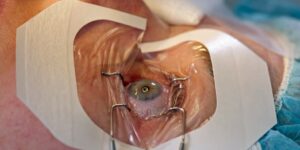
What Line Items Make Up Eye Laser Surgery Cost Quotes
This guide breaks down the most common line items Australians see, what each one usually covers, and what to ask so they can compare eye laser surgery cost quotes properly. …Read More »
Hidden Fees That Can Add To Lasik Eye Surgery Cost
This guide breaks down common hidden fees so they can ask better questions, read quotes properly, and avoid surprises on the invoice. What makes the advertised price different from the …Read More »
Top 10 Things Patients and Carers Managing Sleep Apnea and Respiratory Health Should Know About Sleep Study Cost Melbourne
What exactly is a sleep study, and why might someone need one? A sleep study measures breathing, oxygen levels, heart rate, and sleep stages to diagnose conditions like obstructive sleep …Read More »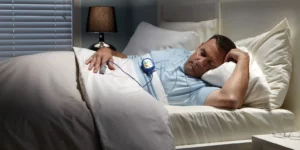
Comparing Your Options for Sleep Testing Brisbane
This guide is written for Australians managing sleep and breathing concerns, with a practical focus on what each option usually involves and what to ask before booking sleep testing Brisbane. …Read More »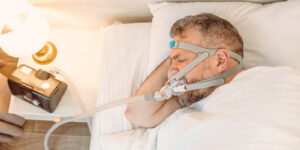
What Is CPAP Mask? A Quick Guide for Patients and Carers Managing Sleep Apnea and Respiratory Health
This guide is written for patients and carers who want clear, practical information, including what types exist, how fitting works, what problems are normal, and when to seek help through …Read More »