What Is CPAP Mask? A Quick Guide for Patients and Carers Managing Sleep Apnea and Respiratory Health
Jul 31 2026 Respiratory CareThis guide is written for patients and carers who want clear, practical information, including what types exist, how fitting works, what problems are normal, and when to seek help through an Australian sleep clinic or respiratory service.
What is a CPAP mask and what does it do?
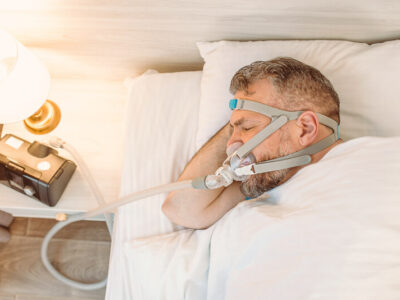
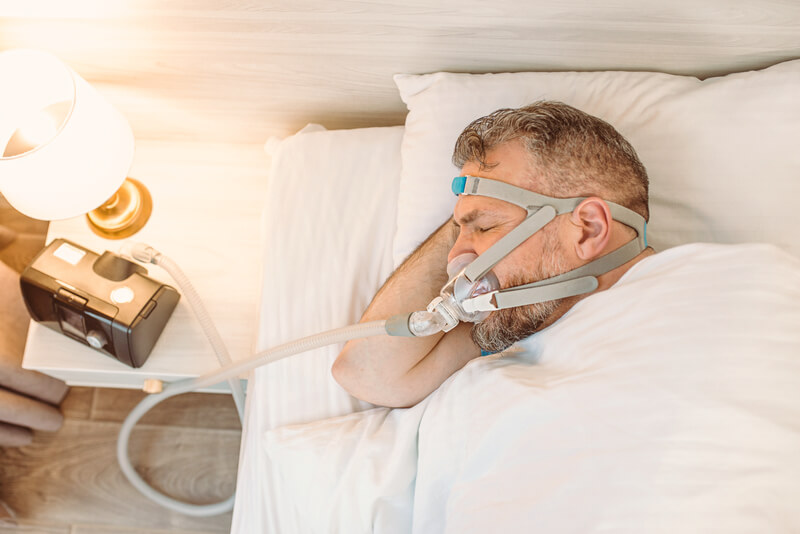
A CPAP mask is a sealed interface that delivers a steady airflow into the nose or mouth to prevent airway collapse during sleep. If you’re looking to buy CPAP mask options, it helps to understand how different mask types fit your needs. The mask connects to a CPAP or APAP device via a hose, while the headgear keeps it stable overnight.
In obstructive sleep apnoea, soft tissue can narrow the upper airway when muscles relax. The mask’s role is simple: deliver enough pressure to splint the airway open so breathing stays regular.
Why does the CPAP mask matter so much in sleep apnoea treatment?
The CPAP mask matters because comfort, seal, and stability directly affect whether therapy works and whether they can stick with it. Even a high-quality machine cannot compensate for a mask that leaks, causes pain, or triggers anxiety.
Poor fit can lead to dry mouth, sore skin, waking often, or noisy leaks that disturb a partner. A good fit supports consistent use, which is usually what improves symptoms like daytime sleepiness and morning headaches.
What are the main types of CPAP mask available in Australia?
In Australia, most suppliers and sleep clinics offer three main designs, and each suits different breathing patterns and preferences. Choosing a CPAP mask is often about matching the style to the person’s face, sleep position, and whether they breathe through the mouth.
Here are the common types:
Nasal mask: seals around the nose.
Nasal pillows mask: seals at the nostrils with small cushions.
Full face mask: seals around nose and mouth.
Many brands also have “under-the-nose” or hybrid styles that sit lower on the face, which some people find less claustrophobic.
How do they choose the right CPAP mask for a patient?
They choose the right CPAP mask by balancing three things: how they breathe during sleep, how they sleep (side, back, restless), and how sensitive their skin and nose are. Fit and comfort come first, because consistent wear is usually the biggest predictor of benefit.
A clinician or CPAP provider may ask about nasal blockage, allergies, facial hair, dentures, or TMJ pain. They may also review download data, especially leak rate, residual events, and nightly usage.
What should a proper CPAP mask fit feel like?
A proper fit should feel secure but not tight, with a stable seal when they move their head on the pillow. The cushion should sit evenly, and the straps should not dig into the skin or leave deep marks that last for hours.
Most masks seal better with less tension than people expect. Over-tightening can worsen leaks by distorting the cushion, and it can cause pressure sores on the bridge of the nose or around the nostrils.
How do they put on and adjust a CPAP mask correctly?
They should fit a CPAP mask while lying down, because facial shape changes slightly in sleep position. The best starting point is to loosen the straps, place the mask gently, then tighten gradually and evenly.
A practical approach is:
Place the mask with the machine running at a comfortable pressure (many devices have “mask fit” mode).
Adjust the top straps, then the bottom straps, a little at a time.
Turn the head side to side to check for leaks.
Re-seat the cushion rather than cranking straps tighter.
If a carer is helping, it can be useful to learn the clip system and strap layout in daylight, not at bedtime.
What common problems do patients have with a CPAP mask?
Most issues are fixable, but they can feel discouraging early on. When a CPAP mask is wrong for their needs, problems tend to repeat nightly.
Common problems include:
Air leaks into the eyes causing irritation or watering
Dry mouth (often linked to mouth breathing or leaks)
Blocked nose or runny nose, especially in allergy seasons
Skin redness, pressure marks, or sores
Feeling claustrophobic or anxious
Noisy venting disturbing a bed partner
If symptoms persist after adjustments, it usually means the style or size needs changing rather than “pushing through”.
How can they reduce leaks and discomfort without giving up?
They can often reduce leaks and discomfort by focusing on cushion condition, strap tension, and bedtime routine. Small tweaks usually beat major changes.
Useful options in Australia include:
Replacing cushions on schedule (old silicone can warp and leak)
Using a heated humidifier to reduce dryness and congestion
Trying a different cushion size, even within the same mask model
Using mask liners or barrier creams approved for CPAP use
Managing nasal congestion with saline rinses and clinician-approved treatments
If they grind their teeth or have jaw drop, a chin strap or a different mask style may help, but it should be discussed with a clinician if discomfort persists.
How do they clean and maintain a CPAP mask safely?
They should clean a CPAP mask regularly to reduce skin irritation, odour, and infection risk, especially if they are prone to sinus issues. Most manufacturers recommend warm water with mild soap, then air drying out of direct sunlight.
A simple routine is:
Daily: wipe cushion and wash if needed, especially around oils.
Weekly: wash headgear and frame, rinse thoroughly, air dry.
Regular checks: look for tears, cloudiness, stiff silicone, and stretched straps.
In Australia, replacement parts are commonly available through CPAP suppliers, many community pharmacies, and sleep clinics. They should avoid ozone or UV “cleaners” unless the device and mask manufacturer explicitly supports them, because material damage can increase leaks.
When should they switch to a different CPAP mask style?
They should consider switching CPAP mask style if persistent problems remain after correct sizing, proper fitting, and basic troubleshooting. Ongoing leaks, pressure sores, or inability to tolerate the mask are valid reasons to change.
Common examples:
Mouth breathing and dry mouth despite humidification may suit a full face option.
Nasal congestion or sensitive nostrils may do better with a nasal mask rather than pillows.
Claustrophobia may improve with minimal-contact designs.
A sleep physician, respiratory clinician, or experienced CPAP provider can help trial options. In Australia, some suppliers offer mask-fit sessions or trial programmes, which can reduce wasted purchases.
What should carers know when supporting someone using a CPAP mask?
Carers help most by making CPAP use easier, not by pressuring the person. A CPAP mask can feel confronting, and early nights may involve trial and error.
Practical support includes:
Helping set up the bedside area so the hose is not tugging
Noticing skin changes, especially in older adults
Encouraging follow-up if leaks, discomfort, or anxiety persist
Tracking basics like hours used and whether snoring has reduced
If the person has significant breathlessness, COPD, neuromuscular disease, or recurrent chest infections, a respiratory clinician should guide therapy settings and equipment choices.
Where can Australians get help with CPAP mask fitting and sleep apnoea care?
Australians can get help through accredited sleep clinics, respiratory and sleep physicians, and CPAP providers who offer fitting appointments. Many services can review therapy data, check leak patterns, and recommend a better CPAP mask match.
They can also speak with their GP for referral pathways, especially if symptoms persist despite regular CPAP use. For regional and remote patients, telehealth reviews and mail-delivered supplies are common, but fit issues may still need in-person support.
What is the key takeaway about choosing a CPAP mask?
The key takeaway is that the “best” option is the CPAP mask they can wear comfortably, with a stable seal, for most of the night. Comfort is not a luxury in sleep apnoea care; it is what makes treatment workable.
If they are struggling, it is usually solvable with proper fitting, targeted troubleshooting, or a different design. With the right support, most patients and carers can turn CPAP from a nightly battle into a reliable part of respiratory health management.
Related : 10 Tips for Choosing the Right CPAP Machine
Read More
What Is an OPEP Device? How the Aerobika Helps Clear Mucus
Apr 04 2026 Respiratory CareThis guide explains what an OPEP device is, how Aerobika works, and who might benefit, using clear, practical language.
What is an OPEP device?
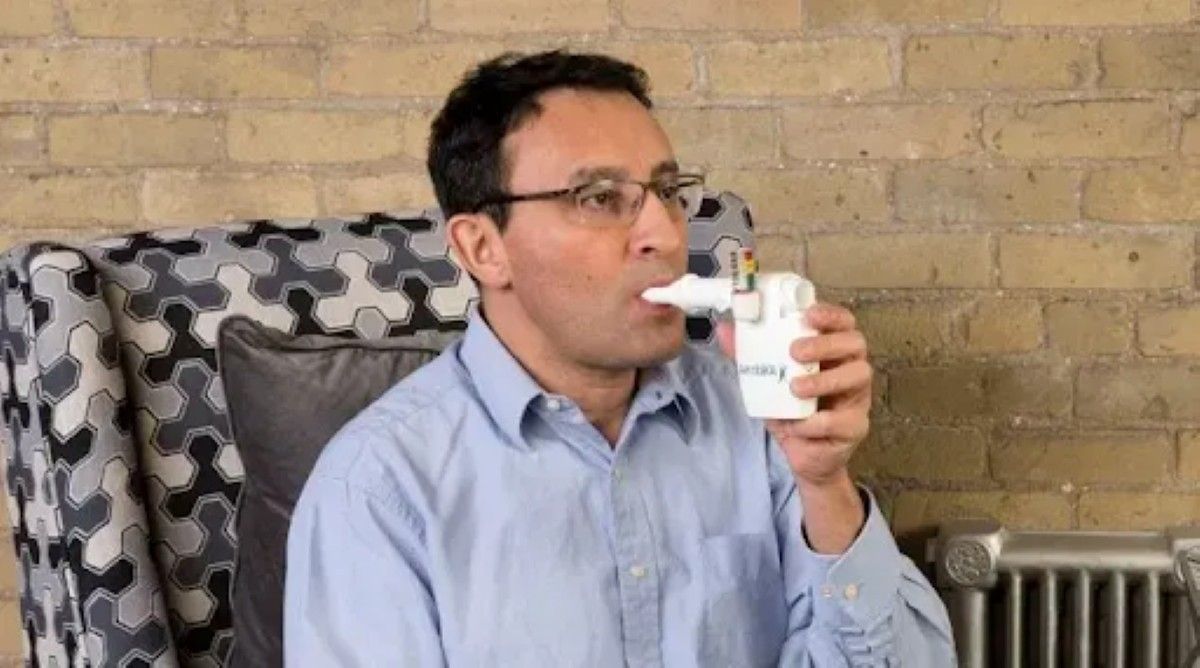
Aerobika OPEP device is an Oscillating Positive Expiratory Pressure device that helps loosen and move mucus from the lungs. They breathe out through the device, which creates gentle pressure and vibrations in the airways.
That combination helps keep smaller airways from collapsing during exhalation and can make coughs more effective. It is not a cure for the underlying condition, but it can support day-to-day airway clearance.
How does Aerobika work to clear mucus?
Aerobika works by adding resistance and oscillation when they exhale. In plain terms, it makes the outgoing breath “push back” slightly while also creating small pulses of airflow.
Those pulses can help shake mucus off airway walls, while the pressure helps move air behind mucus plugs. When mucus shifts towards larger airways, they can often bring it up with huffing or coughing more easily.
Why does positive expiratory pressure matter?
Positive expiratory pressure matters because it helps splint the airways open as they breathe out. In some lung conditions, the smaller airways can narrow or close too early, trapping air and making it harder to move mucus.
By slowing exhalation and maintaining pressure, PEP can improve airflow where it is needed for clearance. This is one reason OPEP devices are commonly paired with breathing techniques.”
Who typically uses an OPEP device like Aerobika?
OPEP devices are often used by people who struggle with regular mucus build-up. This can include individuals with COPD, bronchiectasis, cystic fibrosis, or chronic bronchitis, depending on clinical advice.
They may also be recommended after chest infections or surgery when mucus clearance is difficult. The key point is that suitability should be decided by a clinician, because symptoms that look like “mucus” can have different causes.
What does using Aerobika feel like?
Using Aerobika typically feels like breathing out through a slightly resistant mouthpiece, with a fluttering sensation in the chest or throat. The vibration is usually noticeable but not painful.
Some people feel they can cough more productively afterwards. If they feel dizzy or tight-chested, that is a sign to stop and review technique with a healthcare professional.
How is Aerobika different from a basic PEP device?
A basic PEP device provides steady resistance, while Aerobika adds oscillation. The oscillation is the “O” in OPEP and is intended to help loosen mucus as well as support airway opening.
In practice, this means Aerobika aims to combine two airway clearance effects in one device. Clinicians may still choose a non-oscillating PEP device for some people based on comfort, coordination, or treatment goals.
How do they use Aerobika in a typical routine?
Most routines follow a simple pattern: a set of controlled breaths through the device, then a period of huffing or coughing to clear loosened mucus. They usually sit upright, seal lips around the mouthpiece, breathe in normally, and exhale actively but not explosively.
Exact breath counts and cycles vary. They should follow the plan given by a respiratory physiotherapist or clinician, especially if they have severe symptoms.
When should Aerobika be used with inhalers or nebulisers?
Aerobika is commonly used after a bronchodilator inhaler, because opened airways can improve airflow and clearance. If they use a nebuliser, clinicians often suggest timing airway clearance soon after, when secretions may be more mobile.
However, treatment order is personalised. They should not assume a standard sequence if they have multiple medicines, especially antibiotics or steroid inhalers, because timing can affect benefit.
What are common mistakes people make with OPEP devices?
A frequent mistake is blowing too hard, too fast. That can reduce the intended pressure effect and make them lightheaded.
Another common issue is poor posture, which limits lung expansion. They may also skip the cough or huff phase, which is where mucus actually leaves the airways. Finally, inconsistent cleaning can reduce hygiene and device performance.
How do they clean and look after an Aerobika device?
Cleaning matters because the device comes into contact with saliva and exhaled moisture. They should follow the manufacturer’s instructions, but routines typically involve taking it apart, washing with warm soapy water, rinsing well, and air drying fully.
If disinfection is advised, they should use only approved methods. A damp device stored in a closed container can encourage microbial growth, so drying is not optional. For clinical evidence and outcomes research, you can read this study on oscillating positive expiratory pressure (OPEP) devices and post-discharge hospitalizations in COPD and chronic bronchitis patients.
Who should be cautious or seek advice before using Aerobika?
They should seek clinical advice first if they have had a recent pneumothorax, significant coughing up of blood, severe cardiovascular instability, or recent chest surgery, as pressure-based techniques can be inappropriate in some cases.
They should also check if they feel chest pain, worsening wheeze, or unexpected breathlessness during use. Aerobika is generally considered safe when prescribed correctly, but technique and medical context matter.
How do they know if it is helping?
A helpful sign is more productive clearance, meaning mucus comes up more easily, and breathing feels less “congested” afterwards. Over time, they may notice fewer flare-ups, less coughing fatigue, or improved exercise tolerance, though results vary widely.
They should track symptoms honestly and discuss changes with their clinician. If mucus becomes darker, blood-streaked, or they develop a fever or worsening breathlessness, that needs medical review rather than more device use.
What is the bottom line on OPEP devices and Aerobika?
An OPEP device is a practical airway-clearance tool that uses pressure and vibration to help move mucus. Aerobika is a popular option because it combines both effects in a simple handheld design.
For the right person, used with the right technique, it can make daily clearance feel more manageable. The safest approach is to use it as part of a clinician-guided plan, not as a DIY replacement for respiratory care.
More to Read : Medical Oxygen Supplies at Home: What You Need and Where to Get It
FAQs (Frequently Asked Questions)
What is an OPEP device and how does it help with chest conditions?
An OPEP (Oscillating Positive Expiratory Pressure) device is a simple handheld tool designed to help loosen and move mucus from the lungs. By breathing out through the device, it creates gentle pressure and vibrations in the airways, which helps keep smaller airways open during exhalation and makes coughing more effective. While it doesn’t cure underlying conditions, it supports day-to-day airway clearance.
How does the Aerobika device work to clear mucus effectively?
Aerobika adds resistance and oscillation to your exhaled breath, creating small pulses of airflow that shake mucus off airway walls. The positive pressure helps move air behind mucus plugs, allowing mucus to shift towards larger airways where it can be coughed up more easily. This combined effect makes Aerobika effective for airway clearance.
Who should consider using an OPEP device like Aerobika?
OPEP devices are typically used by individuals experiencing regular mucus build-up due to conditions such as COPD, bronchiectasis, cystic fibrosis, or chronic bronchitis. They may also be recommended after chest infections or surgery when mucus clearance is difficult. However, suitability should always be determined by a clinician since similar symptoms can have different causes.
What does using the Aerobika device feel like during treatment?
Using Aerobika feels like breathing out through a slightly resistant mouthpiece accompanied by a fluttering sensation in the chest or throat caused by vibrations. This sensation is usually noticeable but not painful. Many users find they can cough more productively afterwards. If you experience dizziness or tightness in your chest, it’s important to stop and consult a healthcare professional.
How should Aerobika be incorporated into a daily respiratory routine?
A typical routine involves controlled breaths through the Aerobika device followed by huffing or coughing to clear loosened mucus. Users usually sit upright, seal their lips around the mouthpiece, breathe in normally, then exhale actively but not forcefully. The exact number of breaths and cycles varies; therefore, following a personalised plan from a respiratory physiotherapist or clinician is essential.
What are common mistakes when using OPEP devices and how can they be avoided?
Common mistakes include blowing too hard or too fast, which reduces the intended pressure effect and may cause lightheadedness; poor posture limiting lung expansion; skipping the cough or huff phase where mucus is cleared; and inconsistent cleaning leading to hygiene issues and reduced device performance. To avoid these, use controlled breathing techniques, maintain good posture, complete all steps including coughing phases, and clean the device regularly according to manufacturer instructions.
Read MoreRecent Posts
What Line Items Make Up Eye Laser Surgery Cost Quotes
This guide breaks down the most common line items Australians see, what each one usually covers, and what to ask so they can compare eye laser surgery cost quotes properly. …Read More »
Hidden Fees That Can Add To Lasik Eye Surgery Cost
This guide breaks down common hidden fees so they can ask better questions, read quotes properly, and avoid surprises on the invoice. What makes the advertised price different from the …Read More »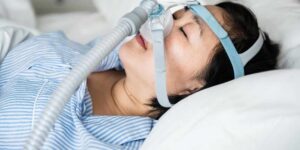
Top 10 Things Patients and Carers Managing Sleep Apnea and Respiratory Health Should Know About Sleep Study Cost Melbourne
What exactly is a sleep study, and why might someone need one? A sleep study measures breathing, oxygen levels, heart rate, and sleep stages to diagnose conditions like obstructive sleep …Read More »
Comparing Your Options for Sleep Testing Brisbane
This guide is written for Australians managing sleep and breathing concerns, with a practical focus on what each option usually involves and what to ask before booking sleep testing Brisbane. …Read More »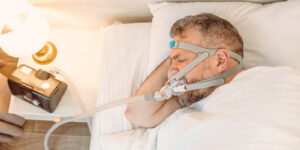
What Is CPAP Mask? A Quick Guide for Patients and Carers Managing Sleep Apnea and Respiratory Health
This guide is written for patients and carers who want clear, practical information, including what types exist, how fitting works, what problems are normal, and when to seek help through …Read More »