10 Tips for Choosing the Right CPAP Machine
Jul 30 2026 CPAP MachineWhat type of CPAP therapy do they actually need?
They should match the machine type to the prescription, symptoms, and sleep study findings, not what is cheapest or most advertised. For many people, fixed pressure CPAP is suitable, while others need auto-adjusting pressure (APAP). Some require bilevel therapy (BiPAP) if higher pressures are needed or if there are comfort or ventilation issues.
A sleep physician’s prescription usually specifies the mode, pressure range, and any special needs. If they are unsure, they should ask their doctor or sleep clinic to explain why that therapy mode was chosen before choosing the best CPAP machine.
How can they make sure the device settings match the sleep study?
They should confirm the pressure settings and clinical menu access are handled by a qualified provider, then check the basics are documented for future reference. This includes the prescribed pressure or APAP range, ramp settings, exhalation relief (if used), humidification preferences, and mask type.
If they buy through an Australian CPAP supplier, setup is often included. If they buy online, they should still ensure the device is configured correctly, because incorrect settings can reduce treatment effectiveness and make symptoms persist. This step is central to choosing the right CPAP machine safely.
What mask style is most likely to work for their face and sleep habits?
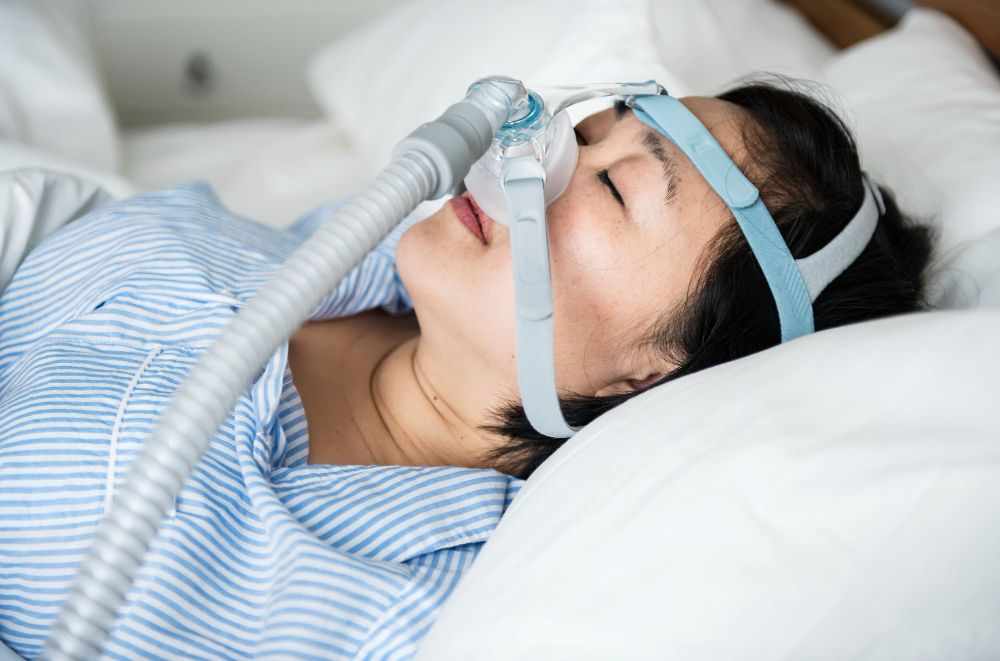
The best machine is only as good as the mask seal and comfort. They should choose a mask based on breathing style, sleep position, and any facial sensitivity. Nasal masks suit many people, nasal pillows can suit those who feel claustrophobic, and full face masks are often needed for mouth breathers or chronic nasal obstruction.
They should look for a supplier that offers mask fitting support and a reasonable exchange option. Mask comfort is often the biggest factor in long-term use, so it matters as much as the device when choosing the right CPAP machine.
How important is comfort technology like ramp and exhalation relief?
Comfort features can meaningfully improve adherence, particularly in the first month. Ramp starts pressure lower and gradually increases, which helps those who struggle when first settling to sleep. Exhalation relief reduces pressure slightly during breathing out, which can help those who feel they are “pushing against” the airflow.
They should consider these features non-negotiable if they are anxious about starting therapy, prone to aerophagia (swallowing air), or sensitive to pressure changes. Comfort is part of choosing the right CPAP machine, not an optional extra.
Should they choose a quieter or smaller unit for better sleep?
Noise and size matter if they or their partner are light sleepers, or if the bedside space is tight. Most modern devices are quiet, but there are still differences in sound profile, vibration, and airflow noise depending on mask and tubing.
They should also consider whether a compact unit will meet their needs at home and when travelling within Australia. A smaller machine is helpful, but not if it compromises humidification options or data tracking. Practical bedroom fit is part of choosing the right CPAP machine.
Do they need a humidifier in Australia’s climate?
Many people benefit from heated humidification, particularly in dry climates, winter heating, or air-conditioned bedrooms. Humidifiers can reduce nasal dryness, congestion, sore throat, and mouth leak related irritation. Heated tubing can further reduce condensation, often called “rainout”.
In Australia, someone in inland regions or cooler southern states may notice dryness more. If they already have rhinitis, frequent sinus issues, or wake with a dry mouth, humidification should be strongly considered when choosing the right CPAP machine.
What data and tracking features should they look for?
They should prioritise a machine that records reliable therapy data because it helps confirm whether treatment is working. Useful data includes AHI (apnoea hypopnoea index), leak rate, usage hours, pressure patterns, and flags for residual events.
Many Australian providers can review reports and make adjustments if problems show up early. Data capable devices also help when someone needs evidence of compliance for work-related requirements. Good reporting is a key part of choosing the right CPAP machine with confidence.
How can they check the machine is supported and compliant in Australia?
They should buy a device that is supplied through reputable Australian channels, with local warranty, support, and compatible consumables. They can ask about the warranty period, where repairs are handled, and whether replacement filters, tubing, and humidifier parts are easy to source locally.
They should also ensure the machine matches Australian electrical standards and includes an Australian plug. Local support reduces downtime if something fails. This is often overlooked when choosing the right CPAP machine online.
What ongoing costs should they budget for beyond the machine?
The upfront device cost is only part of therapy. They should budget for masks and cushions, headgear, filters, tubing, humidifier tubs, and cleaning supplies. Replacement timing varies, but mask cushions and filters often need more frequent replacement than people expect.
They should ask for a simple annual estimate from an Australian supplier and check whether private health insurance rebates apply. Planning ongoing costs makes choosing the right CPAP machine feel less financially stressful.
How can they choose a supplier who will actually help them succeed?
They should look for a supplier that provides education, fitting support, early follow-up, and troubleshooting, not just a checkout page. A good provider helps with mask leaks, pressure comfort, dryness, and data review during the adjustment period.
For many patients, the first two to four weeks determine whether therapy becomes routine. Support can be the difference between giving up and improving symptoms. Service quality is the final, practical step in choosing the right CPAP machine and sticking with it.
Summary checklist: what should they confirm before buying?
They should confirm the prescription details, the therapy mode, and the mask plan first. They should then ensure the device is comfortable, data-capable, locally supported, and affordable to maintain over time.
If they keep the focus on fit, comfort, data, and Australian aftercare, they put themselves in the best position to adapt to treatment and feel the benefits sooner after choosing the right CPAP machine.
More to Read : What Is CPAP Mask? A Quick Guide for Patients and Carers Managing Sleep Apnea and Respiratory Health
Recent Posts
What Line Items Make Up Eye Laser Surgery Cost Quotes
This guide breaks down the most common line items Australians see, what each one usually covers, and what to ask so they can compare eye laser surgery cost quotes properly. …Read More »
Hidden Fees That Can Add To Lasik Eye Surgery Cost
This guide breaks down common hidden fees so they can ask better questions, read quotes properly, and avoid surprises on the invoice. What makes the advertised price different from the …Read More »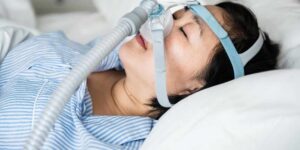
Top 10 Things Patients and Carers Managing Sleep Apnea and Respiratory Health Should Know About Sleep Study Cost Melbourne
What exactly is a sleep study, and why might someone need one? A sleep study measures breathing, oxygen levels, heart rate, and sleep stages to diagnose conditions like obstructive sleep …Read More »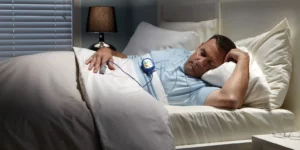
Comparing Your Options for Sleep Testing Brisbane
This guide is written for Australians managing sleep and breathing concerns, with a practical focus on what each option usually involves and what to ask before booking sleep testing Brisbane. …Read More »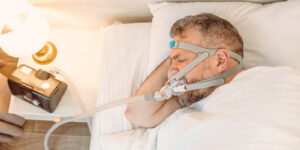
What Is CPAP Mask? A Quick Guide for Patients and Carers Managing Sleep Apnea and Respiratory Health
This guide is written for patients and carers who want clear, practical information, including what types exist, how fitting works, what problems are normal, and when to seek help through …Read More »