Sleep Test Hobart: How to Prepare for Accurate Results
Feb 14 2026 Sleep Hygiene bulk-bill sleep study hobart hobart sleep study cost home sleep study hobart sleep study hobart Sleep Test Hobart sleep testing hobartThis guide explains what they should do before, during, and after a sleep study so the data reflects real sleep, not a one-off disrupted night.
What is a sleep test in Hobart, and what does it measure?
A sleep test Hobart records signals that show how they breathe, how their heart behaves, how their brain cycles through sleep stages, and whether their body moves abnormally overnight. It may be done at home (home sleep apnoea test) or in a clinic (in-lab polysomnography).
Clinicians use the recordings to calculate events like breathing pauses, oxygen drops, snoring patterns, arousals, and sleep quality markers.
Which type of sleep test will they be booked for?
Most people are booked for either a home-based test or an in-lab study, and preparation differs slightly. Home tests usually focus on breathing and oxygen, while in-lab studies capture a wider set of signals including brain waves and leg movements.
They should confirm with the clinic whether it is home or in-lab, what sensors will be used, and whether they are testing for apnoea only or broader sleep disorders.
When should they confirm the instructions with the clinic?
They should confirm instructions as soon as the booking is made, and again 24 to 48 hours before the test if anything has changed. Small details like medication use, sensor placement, or arrival time can affect data quality.
They should ask what to do if a sensor falls off, how to contact support overnight, and when equipment must be returned if it is a home kit.
What should they do in the 48 hours before the sleep test?
They should aim for normal routines, because “perfect” prep often creates an unusual night. Keeping typical bed and wake times helps the study reflect their usual sleep patterns.
They should avoid experimenting with new supplements, unusual workouts late in the day, or drastic diet changes, unless their clinician has advised it.
Should they change their sleep schedule to “sleep better” on the night?
They should not intentionally stay up late, sleep in, or nap more than usual to force sleep during the test. That approach can distort the very patterns the clinician needs to see.
If they normally nap, a short earlier nap may be acceptable, but they should follow the clinic’s guidance so they do not arrive overly alert or overly exhausted.
What should they avoid eating or drinking before the test?
They should avoid heavy, spicy meals close to bedtime if reflux or discomfort affects their sleep, because that can increase awakenings and alter breathing. A light, familiar meal is usually best.
They should also limit caffeine later in the day, including coffee, tea, cola, and energy drinks, since caffeine can reduce total sleep time and change sleep stages.
Can they drink alcohol on the day of the sleep study?
They should avoid alcohol unless the clinic explicitly says otherwise. Alcohol can worsen snoring and obstructive events, change sleep architecture, and increase night-time awakenings.
If their typical routine includes alcohol, they should discuss this in advance, because clinicians may prefer a normal pattern rather than a sudden change that also alters sleep.
Should they take their usual medications and supplements?
They should not stop prescription medication unless the referring clinician instructs them to. Many medicines affect sleep, breathing, and movement, and the goal is often to measure sleep as it normally occurs.
They should provide a full list of medications and supplements, including sleep aids, antihistamines, antidepressants, opioids, and magnesium, and ask whether any timing adjustments are needed.
What should they wear and bring for an in-lab sleep test in Hobart?
They should wear comfortable sleepwear that allows sensors to be attached, such as a two-piece set, and bring a change of clothes for the morning. Loose-fitting tops help avoid pulling on wires.
They should bring toiletries, any night-time medication, their usual pillow if it helps them sleep normally, and something calming for wind-down time like a book.
How should they prepare their skin, hair, and nails for sensors?
They should arrive with clean, dry skin and avoid heavy moisturisers, body oils, or fake tan where sensors may attach. Lotions can reduce adhesion and lead to signal loss.
They should wash their hair and avoid gels, sprays, or dry shampoo, particularly for in-lab studies using scalp electrodes. If nail polish or acrylics are present, they should ask whether a finger sensor will still read oxygen accurately.
What should they do if they have a beard, moustache, or sensitive skin?
They do not need to shave unless the clinic specifically requests it, but they should mention facial hair in advance because some airflow sensors sit near the nose and mouth. The clinic can usually adjust placement.
For sensitive skin, they should tell staff about allergies to adhesives and ask about hypoallergenic tapes. They should avoid trying new skincare products in the days before the test. You may like to visit https://immunisationhandbook.health.gov.au/contents/vaccination-procedures/preparing-for-vaccination to read more about preparation for vaccination.
How can they make a home sleep test more accurate?
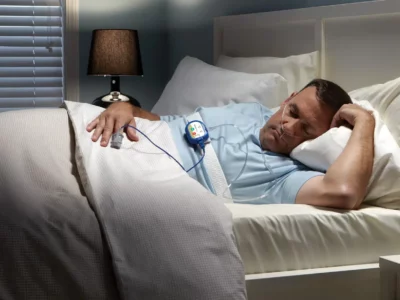
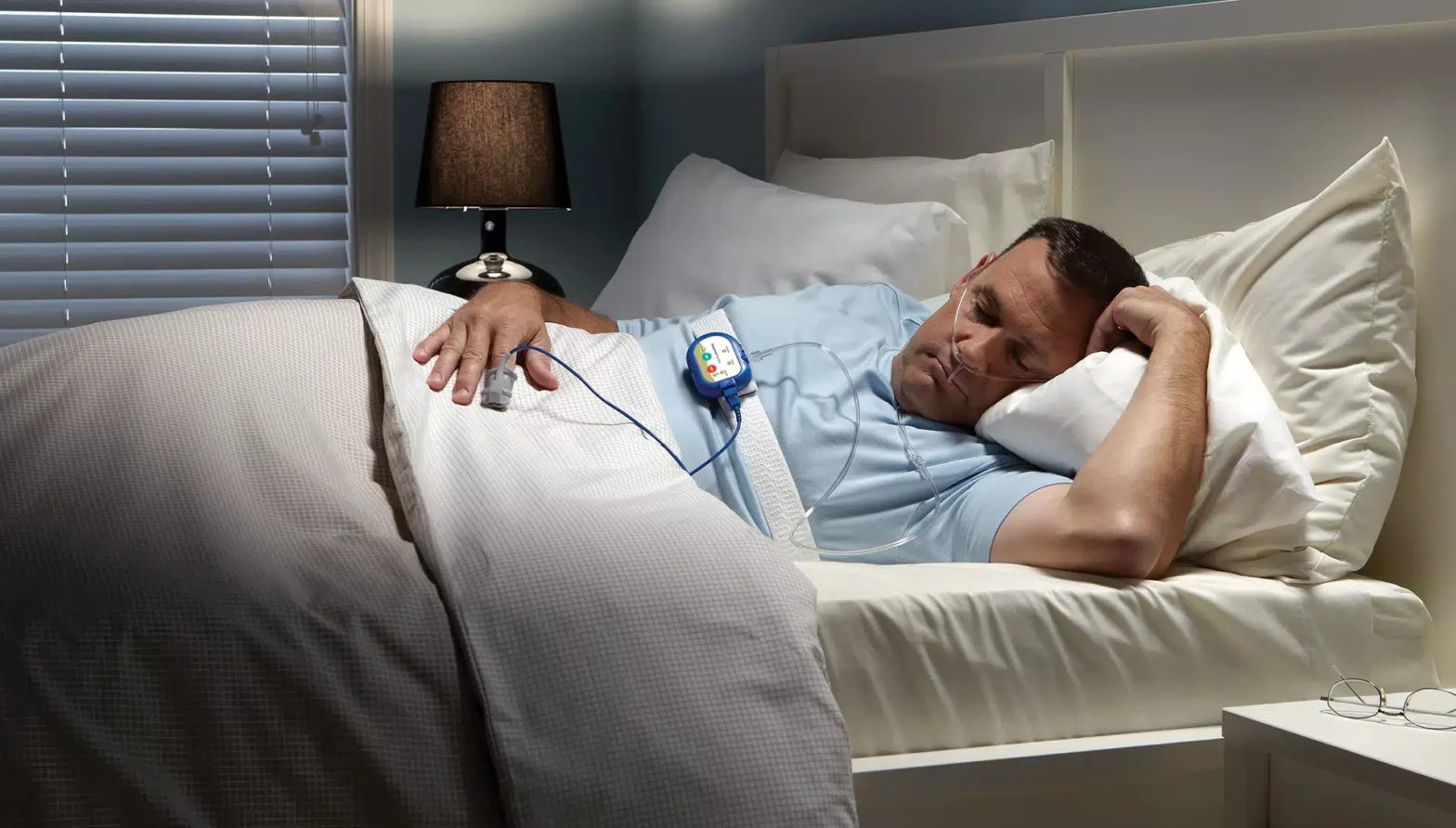
They should set up the equipment earlier in the evening, not at the last minute when they are tired and rushed. A calm setup reduces mistakes like loose belts or misplaced cannulas.
They should follow the fitting guide step by step, confirm indicator lights if the device has them, and keep the instruction sheet nearby in case a sensor shifts overnight.
What should they do if a sensor falls off during the night?
They should reattach it if they wake and can do so easily, using the instructions provided. A short interruption is usually better than leaving a sensor off for hours.
If they cannot fix it, they should note the time and what happened, then tell the clinic when returning the device. That context can help interpret gaps or artefacts in the recording.
How should they sleep during the test to reflect their usual night?
They should sleep in their normal position and not force themselves to sleep on their back or side unless asked. Body position can strongly affect breathing events, so “normal” is the goal.
They should also keep their usual bedtime routine, including reading, relaxation, or a warm shower, as long as it does not interfere with sensors or clinic rules.
What should they do about anxiety or trouble falling asleep on the night?
They should expect some restlessness, because being monitored can feel unfamiliar, and a single imperfect night can still provide useful data. The goal is not to perform, but to record.
They can use simple strategies like a consistent wind-down, breathing exercises, and avoiding clock-watching. If they think they may need a sleep aid, they should discuss it beforehand rather than deciding on the night.
Can they use CPAP or other devices during the study?
They should follow the clinic’s instructions, because some studies are diagnostic and require no CPAP, while others are titration studies to set pressures. Using CPAP when it is not intended can invalidate the purpose of the test.
If they already use CPAP, an oral appliance, or oxygen, they should tell the clinic early so the study can be designed appropriately.
What happens after the sleep test, and how should they follow up?
They should return home equipment promptly and complete any questionnaires, because symptom notes help match results to real-life impacts. A late return can delay analysis and reporting.
They should book or confirm the follow-up appointment, ask how long results usually take, and prepare questions about next steps such as CPAP, lifestyle changes, further testing, or specialist referral.
What are the most common mistakes that reduce accuracy?
The most common issues are caffeine or alcohol too close to bedtime, incorrect sensor placement, greasy skin or hair products that stop sensors sticking, and changing routines drastically to “sleep better”. These problems can reduce signal quality or make the night unrepresentative.
They can avoid most of this by keeping routines steady, setting up early, and asking the clinic questions in advance.
How can they get the best possible results from a sleep test in Hobart?
They will usually get the most accurate results by treating the night like a normal night, not a special performance. Simple steps like clean skin, minimal caffeine, and careful sensor setup often matter more than trying to force perfect sleep.
If they are unsure about anything, they should contact the Hobart sleep clinic before the test so the study captures the clearest, most useful picture of their real sleep.
Related : Home Sleep Study Melbourne: Everything You Need to Know
FAQs (Frequently Asked Questions)
What is a sleep test in Hobart and what conditions can it detect?
A sleep test in Hobart records signals related to breathing, heart activity, brain sleep stages, and body movements overnight. It helps clinicians identify issues such as obstructive sleep apnoea, insomnia, restless legs syndrome, and unusual night-time behaviours.
What are the differences between home-based and in-lab sleep tests?
Home-based sleep tests primarily focus on breathing and oxygen levels and are conducted at home with simpler equipment. In contrast, in-lab polysomnography captures a wider range of signals including brain waves, leg movements, heart rate, and breathing patterns for a comprehensive assessment.
How should I prepare in the 48 hours before my sleep test to ensure accurate results?
Maintain your normal routines by keeping typical bedtimes and wake times. Avoid trying new supplements, unusual late workouts, or drastic diet changes unless advised by your clinician. This helps the test reflect your usual sleep patterns rather than an atypical night.
Can I consume caffeine or alcohol before my sleep study?
It’s best to limit caffeine intake later in the day as it can reduce total sleep time and alter sleep stages. Alcohol should be avoided unless your clinic advises otherwise since it can worsen snoring, obstructive events, and disrupt natural sleep architecture.
Should I continue taking my usual medications and supplements before the sleep test?
Do not stop any prescription medications unless instructed by your referring clinician. Many medicines affect sleep and breathing; providing a full list of medications and supplements to your clinic is essential for accurate assessment.
What should I do if a sensor falls off during my home sleep test overnight?
If you wake up and can easily reattach the sensor following the provided instructions, you should do so to minimise data loss. If you cannot fix it, note the time and details of what happened, then inform your clinic afterward for proper evaluation.
Read MoreRecent Posts
Why a CPAP Sleep Study Can Fast-Track Your Treatment Plan
What is a CPAP sleep study, and how is it different from a regular sleep study? A CPAP sleep study is a monitored night of sleep where clinicians evaluate breathing …Read More »
Bulk-Bill Sleep Study Perth: Availability, Wait Times, and Tips
What does “bulk-bill sleep study” mean in Perth? A bulk-billed sleep study usually means the provider bills Medicare directly so the patient has no out-of-pocket cost for the test itself. …Read More »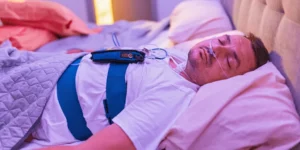
Air Liquide 2026: Leading the Renewable Hydrogen Economy
The global energy landscape has reached a pivotal tipping point in 2026, with renewable hydrogen Air Liquide initiatives serving as the primary engine for industrial decarbonization. As nations strive to …Read More »
Home Sleep Study Melbourne: Everything You Need to Know
This guide explains who it suits, how it works, what it can and cannot diagnose, and what to expect from results and next steps. What is a home sleep study? …Read More »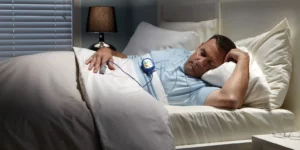
Sleep Test Hobart: How to Prepare for Accurate Results
This guide explains what they should do before, during, and after a sleep study so the data reflects real sleep, not a one-off disrupted night. What is a sleep test …Read More »