Home Sleep Study Melbourne: Everything You Need to Know
Feb 14 2026 Home Sleep Study "bulk-bill sleep study melbourne home sleep study melbourne melbourne sleep study cost sleep apnea test melbourne sleep study cost melbourne sleep study melbourne cost sleep test melbourneThis guide explains who it suits, how it works, what it can and cannot diagnose, and what to expect from results and next steps.
What is a home sleep study?
A home sleep study Melbourne is a convenient test conducted at home using a small, portable device. It monitors breathing and oxygen levels overnight to detect patterns indicative of sleep-disordered breathing, especially obstructive sleep apnoea (OSA).
Typically, the test is arranged through a GP, sleep physician, or sleep clinic, with straightforward instructions for setup and return.
Who is a home sleep study for?
It is generally best suited to adults with a moderate to high likelihood of obstructive sleep apnoea. Typical signs include loud snoring, witnessed pauses in breathing, morning headaches, unrefreshing sleep, and daytime sleepiness.
Clinicians may prefer an in-lab study for people with complex medical conditions, suspected non-breathing sleep disorders, or where safety and accuracy need closer monitoring.
What symptoms suggest someone in Melbourne should consider one?
They might consider a home sleep study if they snore loudly most nights, wake up gasping, or feel persistently tired despite adequate time in bed. Partners often notice breathing pauses, restless sleep, or choking sounds.
Other clues include high blood pressure, weight gain, nocturia, poor concentration, mood changes, and increased sleepiness while driving, which is an important safety signal.
How does a home sleep study work?
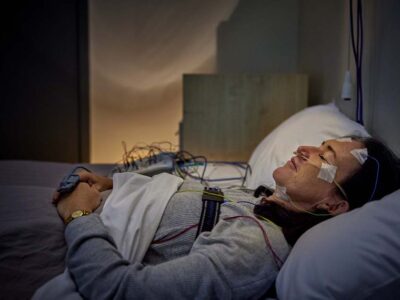
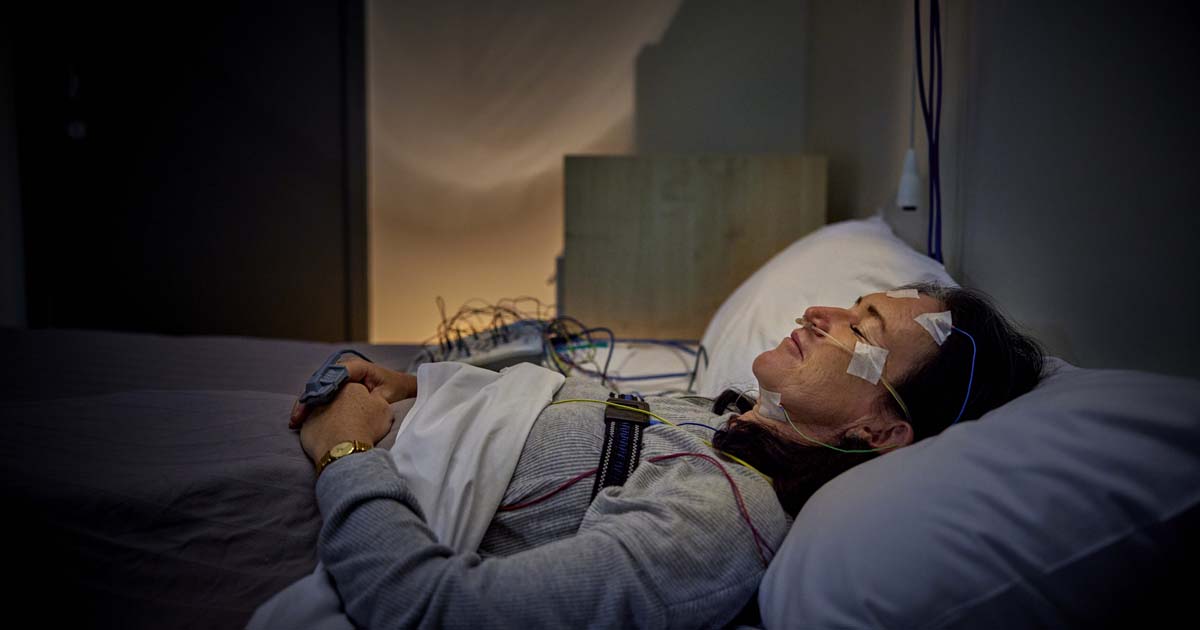
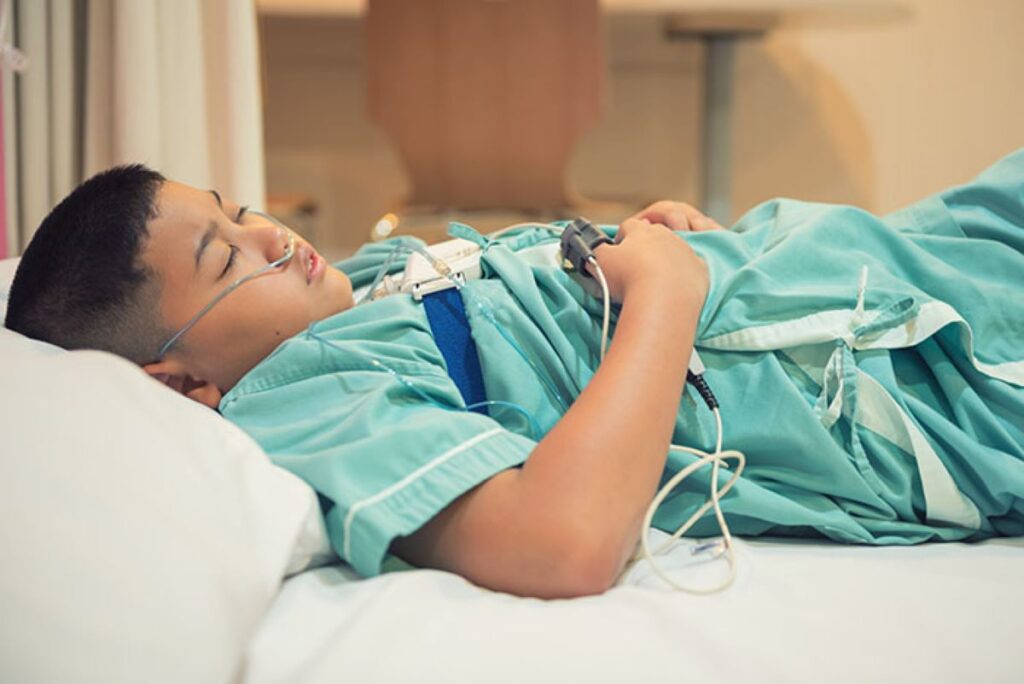
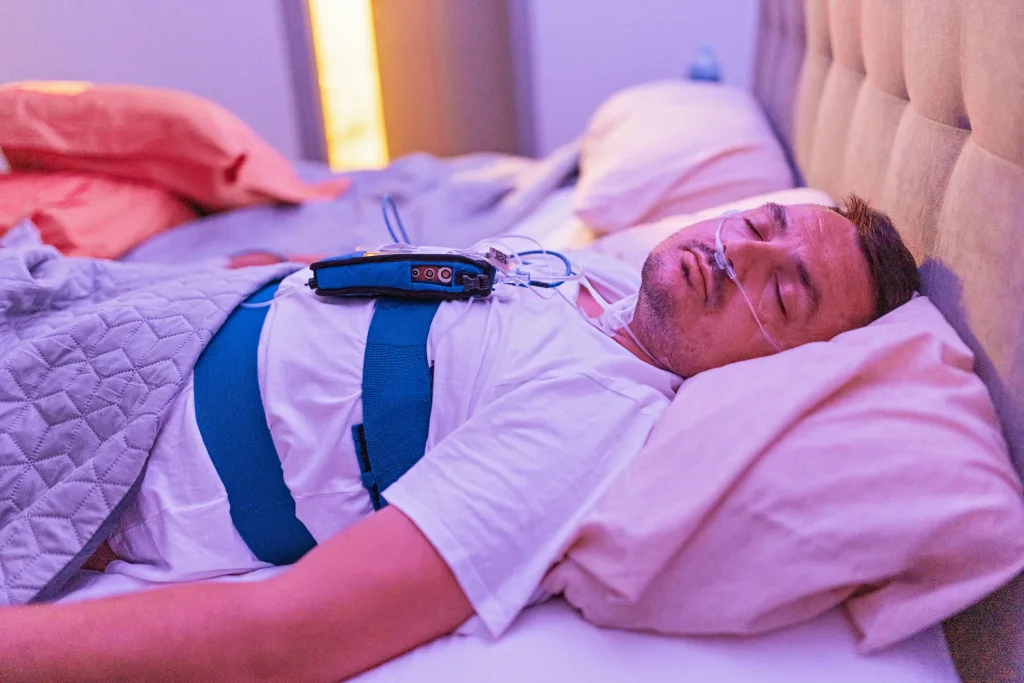
A typical setup includes a finger probe to measure oxygen saturation, a nasal cannula to track airflow, and belts on the chest or abdomen to measure breathing effort. Some devices also record snoring and body position.
They apply the sensors before sleep, start the device, then sleep as normally as possible. The next day, the equipment is returned for analysis by a trained team, often overseen by a sleep physician.
What does it measure, and what does it miss?
It commonly measures airflow, breathing effort, oxygen levels, heart rate, snoring, and sleep position. From this, clinicians can calculate indices such as the apnoea-hypopnoea index (AHI) or a related respiratory event measure, depending on the device and scoring method.
What it usually does not measure well is actual sleep stages, brain activity, and many movement or neurological events. That is why insomnia, parasomnias, seizures, and some periodic limb movement problems often need an in-lab polysomnogram instead.
How accurate is it compared to an in-lab sleep study?
For straightforward suspected obstructive sleep apnoea, home studies can be very reliable, especially when symptoms and risk factors are strong. They often identify moderate to severe OSA effectively and can be enough to guide treatment.
Accuracy can drop if sensors fall off, sleep time is overestimated, or the case is clinically complex. If results do not match symptoms, clinicians may recommend repeating the test or arranging an in-lab study.
What is the process in Melbourne from referral to results?
Most people start with a GP appointment, where symptoms, medical history, and screening tools may be reviewed. If a home study is appropriate, a referral is made to a sleep clinic or provider, and the patient receives the device either by collection, delivery, or sometimes post.
After the study night, the device is returned and data is analysed. Turnaround time varies, but many services provide results within days to a couple of weeks, followed by a review appointment to discuss findings and treatment options.
Other Resources : Health checks, screenings and tests | healthdirect
How should someone prepare for a home sleep study?
They should aim for a typical night. That means keeping usual sleep and wake times, avoiding naps late in the day, and limiting alcohol, which can worsen snoring and apnoea and may distort the picture.
They should also follow setup instructions carefully, keep the sensors secure, and ensure the device is charged or has working batteries. If they use nasal sprays or night-time medications, they should tell the clinician, as this context helps interpretation.
What happens if the sensors fall off or the test fails?
It is common for at least one sensor to loosen overnight, especially in restless sleepers. Many devices still capture enough information, but poor signal quality can make the study inconclusive.
If the data is insufficient, the provider will usually arrange a repeat test. It is worth reporting any issues such as discomfort, a detached cannula, or very unusual sleep that night, because it helps decide whether repeating is necessary.
How are the results explained?
Results typically classify OSA severity using an index of breathing events per hour, alongside oxygen desaturation patterns. They also look at whether events are worse on the back, whether oxygen dips are significant, and whether there are clusters suggesting REM-related or positional effects, depending on what the device can infer.
Importantly, results are interpreted with symptoms and risk factors. A “mild” number on paper can still be clinically significant if symptoms are severe or oxygen dips are pronounced.
What treatments might follow a positive result?
If OSA is confirmed, the most common treatment is CPAP (continuous positive airway pressure), which keeps the airway open during sleep. Some people may be offered an oral appliance through a qualified dentist, especially for mild to moderate OSA or CPAP intolerance.
Other strategies can include weight management, reducing alcohol, treating nasal obstruction, positional therapy, and addressing contributing factors such as sedative use. For selected cases, specialist ENT assessment or other interventions may be discussed.
What if the home sleep study is “normal” but symptoms persist?
A normal or borderline home study does not always end the investigation. Individuals may still have disrupted sleep from insomnia, restless legs, circadian rhythm issues, anxiety, depression, medication effects, reflux, or another breathing pattern not captured well at home.
If symptoms remain strong, clinicians often recommend an in-lab study or a broader sleep and medical review, rather than assuming nothing is wrong. You may like to visit https://uhhmassage.com/sleep-test-hobart-how-to-prepare-for-accurate-results/ to get more about sleep test Hobart: How to Prepare for Accurate Results.
How much does a home sleep study cost in Melbourne, and is there Medicare support?
Costs vary widely depending on provider, inclusions, reporting, and whether a specialist review is included. Some services are self-funded, while others may have Medicare-rebatable components when arranged appropriately through medical referral pathways.
Because rebates and out-of-pocket costs depend on individual circumstances, they should confirm fees upfront, ask what is included (device, scoring, report, follow-up), and check whether CPAP trials or additional appointments are billed separately.
How can someone choose a reputable provider in Melbourne?
They should look for clear clinical oversight, transparent pricing, and a pathway for follow-up care. A reputable service explains whether a sleep physician reviews the data, how results are scored, and what happens if the study is inconclusive.
It also helps if they can access ongoing support for treatment setup, mask fitting if CPAP is recommended, and review of symptom improvement rather than a one-off report.
What are the key takeaways?
A home sleep study in Melbourne is a practical, comfortable way to assess suspected obstructive sleep apnoea, particularly when symptoms and risk factors are clear. It measures breathing and oxygen patterns overnight, but it does not replace in-lab testing for complex or non-breathing sleep disorders.
If they suspect a sleep problem, the most useful next step is usually a GP or sleep clinician review, so the right test is chosen and the results lead to a real treatment plan.
FAQs (Frequently Asked Questions)
What is a home sleep study and how does it work in Melbourne?
A home sleep study, often called HSAT, is a test performed at home using a small portable device to record breathing and oxygen levels overnight. It helps identify patterns consistent with sleep-disordered breathing, particularly obstructive sleep apnoea (OSA). Patients apply sensors before sleep and return the device the next day for analysis by a trained team, usually overseen by a sleep physician.
Who is suitable for a home sleep study in Melbourne?
Home sleep studies are generally best suited to adults with a moderate to high likelihood of obstructive sleep apnoea. Typical signs include loud snoring, witnessed pauses in breathing, morning headaches, unrefreshing sleep, and daytime sleepiness. Those with complex medical conditions or suspected non-breathing sleep disorders may require an in-lab study instead.
What symptoms suggest someone should consider a home sleep study?
Individuals who snore loudly most nights, wake up gasping for air, feel persistently tired despite adequate time in bed, or whose partners notice breathing pauses and choking sounds during sleep should consider a home sleep study. Other signs include high blood pressure, weight gain, nocturia, poor concentration, mood changes, and increased daytime sleepiness especially while driving.
How accurate is a home sleep study compared to an in-lab polysomnography?
For straightforward suspected obstructive sleep apnoea cases, home sleep studies can be very reliable and effectively identify moderate to severe OSA. However, accuracy may decrease if sensors fall off or if the case is clinically complex. Inconclusive or mismatched results may lead clinicians to recommend repeating the test or arranging an in-lab study for more detailed assessment.
What should I expect after completing a home sleep study in Melbourne?
After returning the device post-study night, data is analysed by specialists with results typically available within days to a couple of weeks. A follow-up appointment will discuss findings including OSA severity and potential treatment options such as CPAP therapy, oral appliances, lifestyle changes, or further specialist referrals depending on results.
How should I prepare for a home sleep study to ensure accurate results?
To prepare for a home sleep study, aim for a typical night’s rest by maintaining usual bedtimes and wake times while avoiding late naps and limiting alcohol intake which can worsen symptoms. Follow setup instructions carefully to keep sensors secure and ensure the device has sufficient power. Inform your clinician about any nasal sprays or night-time medications used as this information aids result interpretation.
Recent Posts
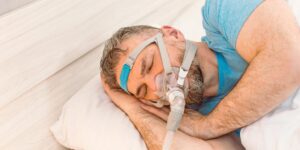
Why a CPAP Sleep Study Can Fast-Track Your Treatment Plan
What is a CPAP sleep study, and how is it different from a regular sleep study? A CPAP sleep study is a monitored night of sleep where clinicians evaluate breathing …Read More »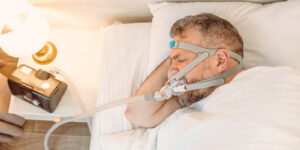
Bulk-Bill Sleep Study Perth: Availability, Wait Times, and Tips
What does “bulk-bill sleep study” mean in Perth? A bulk-billed sleep study usually means the provider bills Medicare directly so the patient has no out-of-pocket cost for the test itself. …Read More »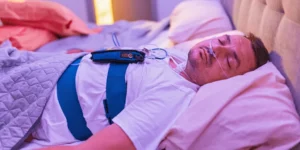
Air Liquide 2026: Leading the Renewable Hydrogen Economy
The global energy landscape has reached a pivotal tipping point in 2026, with renewable hydrogen Air Liquide initiatives serving as the primary engine for industrial decarbonization. As nations strive to …Read More »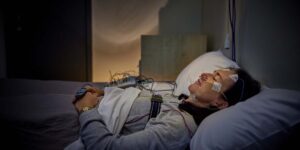
Home Sleep Study Melbourne: Everything You Need to Know
This guide explains who it suits, how it works, what it can and cannot diagnose, and what to expect from results and next steps. What is a home sleep study? …Read More »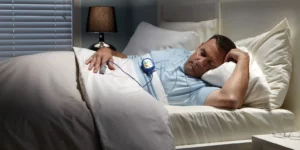
Sleep Test Hobart: How to Prepare for Accurate Results
This guide explains what they should do before, during, and after a sleep study so the data reflects real sleep, not a one-off disrupted night. What is a sleep test …Read More »