

Air Liquide 2026: Leading the Renewable Hydrogen Economy
Feb 27 2026 Home Oxygen Machine Sleep Hygiene Air Liquide Australia Australia Hydrogen Hubs Carbon Neutral Feedstock Decarbonization Energy Transition 2026 Gigawatt Electrolyzers Green Hydrogen Hydrogen Economy Industrial Hydrogen Net Zero 2050 PEM Electrolysis Renewable Hydrogen Air Liquide Siemens Energy Partnership Sustainable Energy InfrastructureThe global energy landscape has reached a pivotal tipping point in 2026, with renewable hydrogen Air Liquide initiatives serving as the primary engine for industrial decarbonization. As nations strive to meet stringent net-zero targets, the shift from carbon-intensive gray hydrogen to electrolysis-driven green hydrogen is no longer a theoretical goal—it is an operational reality.
Air Liquide has solidified its position as a global leader by integrating advanced technology with massive infrastructure. By leveraging strategic partnerships and high-capacity production, the company is bridging the gap between renewable energy generation and heavy industrial demand, particularly in energy-intensive regions like Australia and Europe.
What is Renewable Hydrogen?
Renewable hydrogen, often referred to as “green hydrogen,” is produced through the process of electrolysis. Unlike traditional methods that rely on natural gas (SMR), this process uses renewable electricity—such as wind or solar power—to split water into hydrogen and oxygen.
The Role of Electrolysis in 2026
In 2026, the efficiency of Proton Exchange Membrane (PEM) electrolyzers has improved significantly. Air Liquide’s deployment of these technologies allows for:
Zero-carbon production: Eliminating CO2 emissions at the source.
Grid balancing: Utilizing excess renewable energy during peak production times.
Scalability: Moving from pilot projects to industrial-scale “Gigastack” facilities.
Why Renewable Hydrogen Air Liquide Projects are Scaling Fast
The acceleration of Air Liquide’s hydrogen roadmap is driven by a “Gigawatt-scale” mindset. The transition is fueled by three core pillars: technological maturity, policy support, and strategic joint ventures.
See more: Home Sleep Study Melbourne: Everything You Need to Know
The Siemens Energy Partnership
A cornerstone of this transition is the joint venture with Siemens Energy. By mass-producing electrolyzer modules in automated factories, the partnership has slashed the capital expenditure (CAPEX) associated with hydrogen production. This allows for:
Standardization: Rapid deployment of modular electrolyzer units.
Capacity: Reaching multi-gigawatt production levels to meet global demand.
Efficiency: Optimizing the supply chain for key components like membranes and catalysts.
Decarbonizing Hard-to-Abate Sectors
Air Liquide focuses on industries where electrification is not feasible. This includes:
Steel Manufacturing: Replacing coking coal with hydrogen for direct reduced iron (DRI).
Heavy-Duty Transport: Powering long-haul trucking and shipping via fuel cells.
Chemical Production: Using green hydrogen as a feedstock for carbon-neutral ammonia and methanol.
Benefits of the Renewable Hydrogen Transition
The shift toward a hydrogen-centered economy offers more than just environmental perks; it provides a robust framework for energy security and economic growth.
Environmental Impact
The primary benefit is the massive reduction in Greenhouse Gas (GHG) emissions. For every ton of renewable hydrogen Air Liquide produces, approximately 10 tons of CO2 emissions are avoided compared to traditional fossil-fuel methods.
Energy Sovereignty
For countries like Australia, hydrogen offers a way to export “liquid sunlight.” By converting vast solar and wind resources into hydrogen or ammonia, nations can become energy exporters without relying on finite fossil fuel reserves.
Economic Resilience
The hydrogen economy is creating a new industrial value chain. From electrolyzer manufacturing to specialized logistics and cryogenics, the sector is a significant driver of high-skilled job creation.
Real-World Use Cases: Air Liquide’s Impact in 2026
The Normand’Hy Project (France)
One of the most significant examples is the Air Liquide Normand’Hy project. Featuring a 200 MW electrolyzer, it supplies renewable hydrogen to the Normandy industrial basin. This project alone prevents the emission of 250,000 tons of CO2 per year.
Australian Hydrogen Hubs
In Australia, Air Liquide is a key player in developing hydrogen hubs. These localized ecosystems co-locate production and consumption, reducing the need for expensive long-distance transport.
Focus: Integrating with existing LNG infrastructure to transition toward ammonia export.
Impact: Supporting the Australian government’s National Hydrogen Strategy.
Step-by-Step: How Air Liquide Scales Hydrogen Infrastructure
The transition to a renewable hydrogen Air Liquide ecosystem follows a structured framework designed for reliability and safety.
Renewable Sourcing: Securing long-term Power Purchase Agreements (PPAs) for wind, solar, and hydro power.
Electrolysis: Utilizing PEM or Alkaline electrolyzers to produce high-purity hydrogen.
Compression & Liquefaction: Reducing the volume of hydrogen gas for efficient storage and transport.
Distribution: Utilizing a mix of dedicated hydrogen pipelines and specialized tube trailers.
End-User Integration: Installing on-site storage and refueling stations for industrial and mobility partners.
Best Practices for Hydrogen Integration
For businesses looking to adopt hydrogen solutions, Air Liquide recommends several strategic approaches:
Phased Transition: Start with “blending” hydrogen into existing gas streams before moving to 100% hydrogen operations.
Focus on Total Cost of Ownership (TCO): Evaluate the long-term savings from carbon credits and reduced regulatory penalties.
Safety First: Implement rigorous leak detection and ventilation protocols, as hydrogen has a high diffusion rate.
Common Mistakes in Hydrogen Adoption
Underestimating Logistics: Hydrogen is energy-dense by mass but light by volume. Failing to plan for efficient compression can lead to high operational costs.
Ignoring Policy Incentives: Many regions offer significant subsidies for green hydrogen. Missing these windows can affect the ROI of a project.
Incompatible Materials: Hydrogen can cause “hydrogen embrittlement” in certain metals. Using certified high-pressure equipment is non-negotiable.
Comparative Analysis: Hydrogen Production Methods
FeatureGray HydrogenBlue HydrogenRenewable (Green) HydrogenSourceNatural Gas (SMR)Natural Gas + CCSWater ElectrolysisCarbon FootprintHighLow to MediumZeroEnergy SourceFossil FuelsFossil FuelsWind / Solar / HydroCost (2026)LowestModerateCompetitive (with subsidies)
Frequently Asked Questions (FAQ)
What makes Air Liquide a leader in renewable hydrogen?
Air Liquide combines over 50 years of gas handling expertise with modern “gigawatt-scale” electrolyzer technology, making them one of the few entities capable of end-to-end hydrogen supply chain management.
How does Air Liquide produce renewable hydrogen in Australia?
In Australia, the company focuses on leveraging abundant solar and wind resources to power large-scale electrolyzers, often situated within industrial hubs to minimize transport costs.
Is renewable hydrogen safe for industrial use?
Yes. While hydrogen requires specific handling due to its flammability, Air Liquide employs advanced cryogenic and high-pressure safety standards that meet or exceed global industrial regulations.
What is the difference between green and renewable hydrogen?
In most contexts, they are used interchangeably. “Renewable hydrogen” specifically highlights that the electricity used in electrolysis comes from 100% renewable sources like wind, solar, or hydro.
Why is the Siemens Energy partnership important?
This partnership allows for the industrialization of electrolyzer production. By moving from manual assembly to automated manufacturing, the cost of hydrogen production equipment is drastically reduced.
Conclusion: The Path Forward with Air Liquide
The year 2026 marks a defining moment for renewable hydrogen Air Liquide initiatives. By scaling production to the gigawatt level and fostering global partnerships, Air Liquide is not just participating in the energy transition—it is leading it. As infrastructure matures and costs continue to decline, renewable hydrogen will remain the cornerstone of a sustainable, carbon-neutral future.
For industrial leaders and policymakers, the message is clear: the technology is ready, the scale is achievable, and the environmental necessity is absolute.
Internal Linking Suggestions:
Strategic Industrial Decarbonization
The Future of PEM Electrolysis
Australia’s Green Energy Export Potential
Authoritative External References:
International Energy Agency (IEA) – Global Hydrogen Review
The Hydrogen Council – Insights on Hydrogen Scaling
Read More
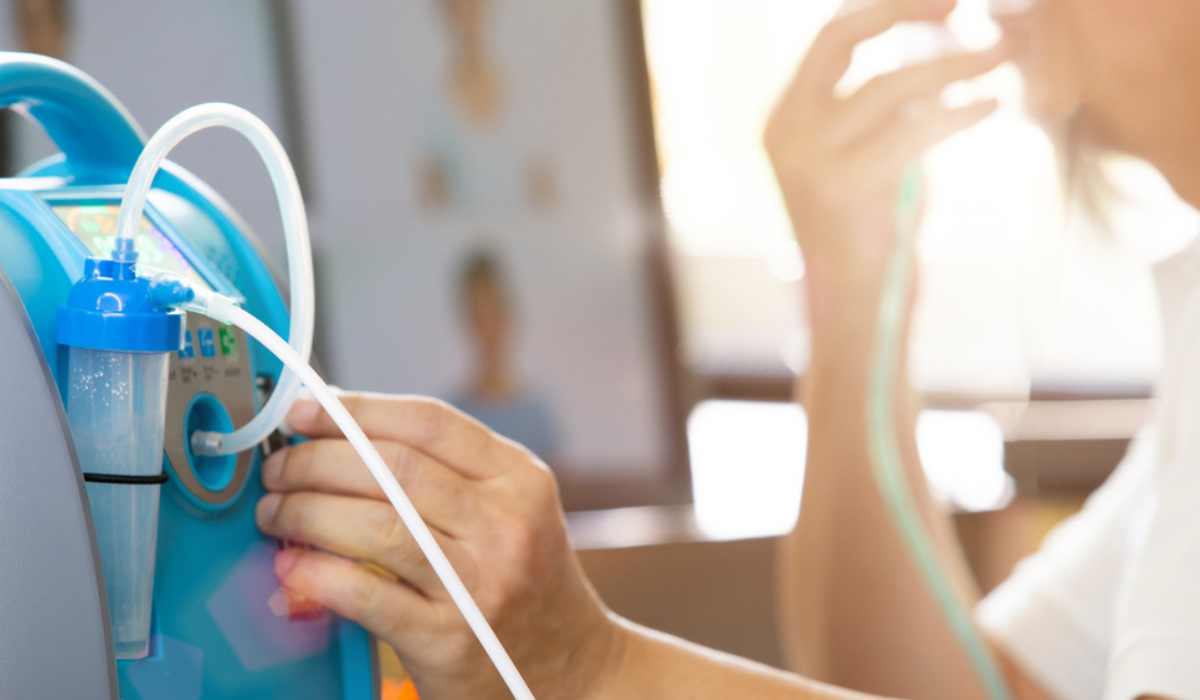
Home Oxygen Machine: What You Need to Know Before Buying
Aug 11 2025 Home Oxygen Machine oxygen compressor oxygen at home oxygen breathing machine oxygen supply oxygen therapy at home air liquide home oxygen oxygen airFor individuals with respiratory conditions, a home oxygen machine can be a vital tool for enhancing quality of life and ensuring adequate oxygen levels. However, purchasing such a device requires careful consideration. This guide will explore the essential factors to consider before making a decision, the different types of oxygen machines available, and the benefits and potential drawbacks of using them.
Understanding Home Oxygen Machines
Home oxygen machines, also known as oxygen concentrators, are devices designed to provide supplemental oxygen to individuals who have difficulty breathing due to various medical conditions. These machines work by filtering ambient air and removing nitrogen, thereby concentrating the oxygen for therapeutic use.
It is crucial to understand that these devices are not one-size-fits-all solutions. The type of machine required can vary significantly based on the individual’s specific health needs, lifestyle, and mobility. Therefore, consulting with a healthcare professional before making a purchase is essential.
Types of Home Oxygen Machines
There are primarily two types of home oxygen machines: stationary oxygen concentrators and portable oxygen concentrators. Each type serves different needs and has distinct features.
Stationary Oxygen Concentrators: These are larger units designed for home use. They typically have a higher oxygen output and are best suited for individuals who spend most of their time at home. Stationary units often require a power source and may not be easily transportable.
Portable Oxygen Concentrators: These devices are smaller, lightweight, and designed for mobility. They are ideal for individuals who need oxygen support while travelling or engaging in outdoor activities. Many portable units can run on battery power, making them convenient for use on the go.
Read more at: Oxygen Machine for Home Use Safe, Convenient, and Effective
Key Features to Consider
When selecting a home oxygen machine, several key features should be taken into account:
Oxygen Output: The required oxygen flow rate varies from person to person. It is essential to determine the prescribed flow rate by a healthcare provider to ensure the machine meets your needs.
Size and Weight: Depending on your lifestyle, the size and weight of the machine can significantly impact usability. Portable units are designed for ease of transport, while stationary units may offer more robust features.
Noise Level: Some machines can be quite noisy, which may be a consideration if you are sensitive to sound, especially during sleep.
Battery Life: For portable units, battery life is a crucial factor. Longer battery life allows for extended use without needing to recharge, which is particularly important for those who travel frequently.
Benefits of Using a Home Oxygen Machine
Utilising a home oxygen machine can provide numerous benefits for individuals with respiratory issues. Here are some of the most significant advantages:
Improved Quality of Life
One of the primary benefits of using a home oxygen machine is the enhancement of overall quality of life. By ensuring adequate oxygen levels, individuals can experience increased energy, improved sleep quality, and a greater ability to engage in daily activities. Read more about quality on https://www.auctoresonline.org/article/quality-management-in-medical-education-between-theory-and-application-paradigm-shift-or-falsification-of-reality
Many users report feeling more active and capable of participating in social events, hobbies, and exercise, which can lead to improved mental health and well-being.
Convenience and Accessibility
Home oxygen machines provide the convenience of receiving oxygen therapy in the comfort of one’s home. This eliminates the need for frequent hospital visits or reliance on portable oxygen tanks, which can be cumbersome and require regular refills.
Additionally, many modern machines are designed with user-friendly interfaces, making them easy to operate and maintain, even for those who may not be technologically savvy.
Potential Drawbacks and Considerations
While there are many benefits to using a home oxygen machine, there are also potential drawbacks that should be considered before making a purchase.
Cost Implications
The cost of home oxygen machines can vary widely depending on the type and features. Stationary units tend to be less expensive than portable ones, but both can represent a significant financial investment. It is essential to check if your health insurance covers any part of the cost, as this can greatly affect your budget.
Additionally, ongoing costs such as maintenance, replacement filters, and electricity usage should be factored into your decision.
Maintenance and Care
Home oxygen machines require regular maintenance to ensure they operate efficiently and safely. This includes cleaning filters, checking for leaks, and ensuring that the device is functioning correctly. Neglecting maintenance can lead to decreased performance and potential health risks.
Users should be prepared to follow the manufacturer’s guidelines for care and maintenance, which may include periodic professional servicing.
How to Choose the Right Home Oxygen Machine
Choosing the right home oxygen machine involves several steps to ensure that the selected device meets your needs effectively.
Consult with a Healthcare Professional
Before making any decisions, it is crucial to consult with a healthcare provider who can assess your specific condition and recommend the appropriate type of oxygen machine. They will consider factors such as your oxygen saturation levels, lifestyle, and any other medical conditions you may have. Click here to find more about saturation.
Healthcare professionals can also provide guidance on the necessary flow rate and any additional features that may be beneficial.
Research and Compare Options
Once you have a clear understanding of your needs, it is time to research different models and brands. Look for reputable manufacturers and read customer reviews to gauge the reliability and performance of various machines.
Comparing features, prices, and warranty options can help you make an informed decision. It may also be beneficial to visit a medical supply store to see the machines in person and ask questions.
Conclusion
Investing in a home oxygen machine can significantly improve the quality of life for individuals with respiratory conditions. By understanding the different types of machines available, their benefits, potential drawbacks, and how to choose the right one, you can make an informed decision that best suits your health needs.
Always consult with a healthcare professional to ensure that you select the most appropriate device for your situation, and remember to consider the long-term implications of your purchase. With the right home oxygen machine, you can breathe easier and enjoy a more active and fulfilling life.
Read MoreRecent Posts

Why a CPAP Sleep Study Can Fast-Track Your Treatment Plan
What is a CPAP sleep study, and how is it different from a regular sleep study? A CPAP sleep study is a monitored night of sleep where clinicians evaluate breathing …Read More »
Bulk-Bill Sleep Study Perth: Availability, Wait Times, and Tips
What does “bulk-bill sleep study” mean in Perth? A bulk-billed sleep study usually means the provider bills Medicare directly so the patient has no out-of-pocket cost for the test itself. …Read More »
Air Liquide 2026: Leading the Renewable Hydrogen Economy
The global energy landscape has reached a pivotal tipping point in 2026, with renewable hydrogen Air Liquide initiatives serving as the primary engine for industrial decarbonization. As nations strive to …Read More »
Home Sleep Study Melbourne: Everything You Need to Know
This guide explains who it suits, how it works, what it can and cannot diagnose, and what to expect from results and next steps. What is a home sleep study? …Read More »
Sleep Test Hobart: How to Prepare for Accurate Results
This guide explains what they should do before, during, and after a sleep study so the data reflects real sleep, not a one-off disrupted night. What is a sleep test …Read More »